
Male fern
Dryopteris filix-mas
Description
Growing requirements
The Male fern (Dryopteris filix-mas) is a hardy perennial belonging to the Dryopteridaceae family. It is widely distributed across the northern hemisphere, typically flourishing in moist, shaded woodland habitats where it forms large, lush colonies.
The crop thrives in humus-rich, well-draining soils. While it prefers moisture, it cannot tolerate waterlogging, which may cause root rot. Gardeners should ensure the soil structure allows for air circulation while maintaining constant moderate humidity around the root system.
In terms of light exposure, the plant is a strict shade-lover. It performs best in partial to full shade, making it an excellent choice for north-facing areas or under the canopy of large trees where it is shielded from the harsh afternoon sun.
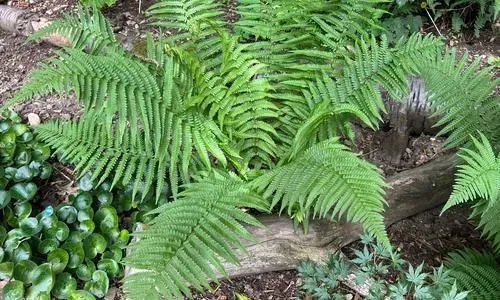
Botanically, the plant is known for its stout, woody rhizome covered in old petiole bases. Its fronds are bipinnate and can grow up to a meter in length, unfurling from tight, fuzzy croziers in the spring, which are characteristic of this species' developmental cycle.
Economically, the Male fern serves both ornamental and medicinal purposes. In horticulture, it is highly valued for its texture and ability to fill difficult, dark corners. Historically, rhizome extracts were extensively used in medicine to treat intestinal parasites due to their potent anthelmintic properties.
Main diseases and pests
Slugs and snails are the most common pests, especially in moist environments where they target the tender, emerging fronds. Implementing physical barriers or regular monitoring is essential to prevent significant foliage damage during the active growing season.
Disease-wise, the plant is generally robust, but it can suffer from fungal infections like rust if air circulation is poor or if the foliage remains wet for extended periods. Keeping the plant in an open, airy shade environment is the best preventative measure against such outbreaks.
Harvesting
When harvesting for medicinal purposes, the rhizomes are typically collected in late autumn or early spring. They must be cleaned thoroughly, removing all dead scales and debris, and then dried rapidly in a well-ventilated space to prevent fermentation and loss of chemical potency.