
Copper shield fern
Dryopteris erythrosora
Description
Growing requirements
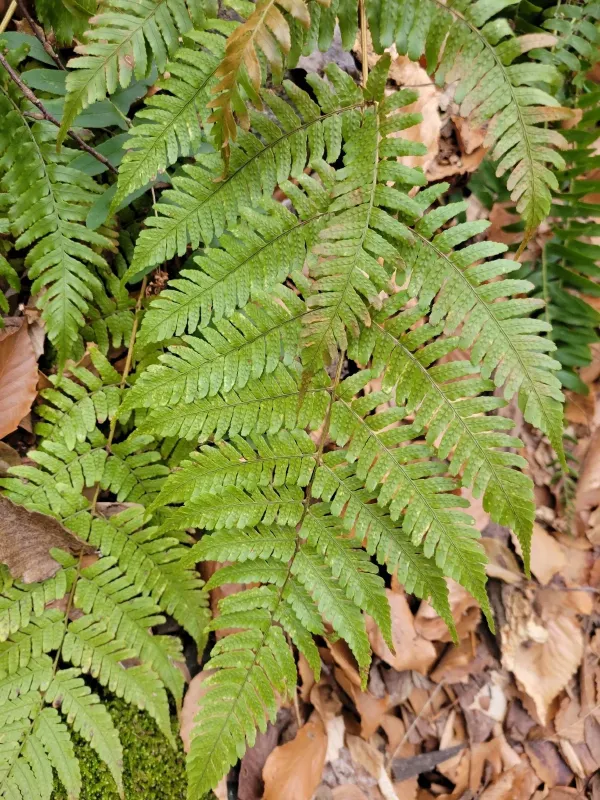
Copper shield fern, scientifically known as Dryopteris erythrosora, is a perennial plant belonging to the Dryopteridaceae family. It is native to the temperate regions of East Asia, including Japan, China, and Korea.
The cultural requirements are centered on providing a shady environment. This fern thrives in woodland-like conditions with dappled sunlight, which highlights the copper-red coloration of its emerging fronds.
The soil must be rich in organic matter, slightly acidic, and consistently moist yet well-draining. Adding leaf mold or compost during planting significantly improves growth rates and plant vigor.
Climate tolerance is moderate, requiring protection from harsh winter winds and extreme freezing temperatures. In colder regions, a thick layer of mulch around the base is essential to protect the rhizomes.
Agricultural management includes routine moisture monitoring, especially during the active growth phase in spring and early summer, to ensure the fronds reach their full aesthetic potential.
Main diseases and pests
Pathogenic threats are primarily associated with improper irrigation practices. Excessive soil moisture often leads to rhizome rot, which can cause total collapse of the plant during the growing season.
Pests such as spider mites and scale insects are common in dry, indoor, or greenhouse conditions. They can be managed through regular misting and targeted application of horticultural oils or soaps.
Gastropods, including slugs and snails, frequently attack the emerging fiddleheads in spring. Protecting young plants with physical barriers is a standard agrotechnical measure in such environments.
Fungal leaf spots may occur in environments with poor air circulation. Proper spacing between individual plants is necessary to prevent these conditions and ensure healthy foliage development.
Sanitation practices, such as clearing fallen debris and dead foliage at the end of the season, are critical for maintaining a disease-free environment for the subsequent growing year.