
Broad buckler-fern
Dryopteris dilatata
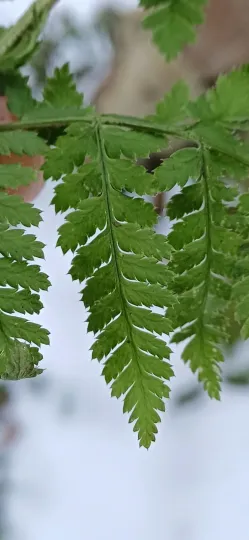
Description
Growing requirements
The broad buckler-fern (Dryopteris dilatata) is a perennial sporophyte belonging to the Dryopteridaceae family. It is native to the woodlands of Europe and parts of North America, where it thrives in moist, shaded environments under dense forest canopies.
For successful cultivation, this species requires rich, humus-based soils with constant moisture levels. It is essential to prevent the soil from drying out, as the plant's root system is adapted to the consistent humidity found in forest floor conditions.
The plant performs best in shaded or semi-shaded locations. Exposure to direct sunlight can lead to scorched foliage, causing the fern to lose its ornamental value and suffer from physiological stress throughout the growing season.
Broad buckler-ferns are highly winter-hardy and well-adapted to temperate climates. In agricultural practice, mulching with organic material is highly recommended to mimic natural leaf litter, which helps maintain soil moisture and fertility.
This fern is primarily valued in horticulture and landscape architecture. It is an excellent choice for woodland gardens, shaded rockeries, and planting around pond margins, providing lush green texture to areas where other plants fail to thrive.
Main diseases and pests
Common health issues include fungal leaf spots and root rots, particularly when the drainage is poor or air circulation is restricted. Managing plant spacing and humidity levels is critical to mitigating these fungal pathogens.
Slugs and snails are the primary pests, often feeding on the tender emerging fronds during the spring. Implementing integrated pest management strategies, such as physical barriers, helps protect the plants without relying on toxic chemicals.
Spider mites can become a problem in dry and hot conditions, leading to the yellowing or browning of the fronds. Regular misting and ensuring proper hydration are effective natural deterrents against these pests.
Due to the presence of specific compounds, the foliage is largely unpalatable to larger herbivores. However, cleanliness of the propagation area is vital to prevent the spread of soil-borne pathogens during the initial stages of growth.
Maintenance includes the removal of old or damaged fronds in late winter or early spring to encourage new growth. Proper sanitation minimizes the risk of infection and ensures the long-term vigor of the planting site.