
Dryopteris dickinsii
Dryopteris dickinsii
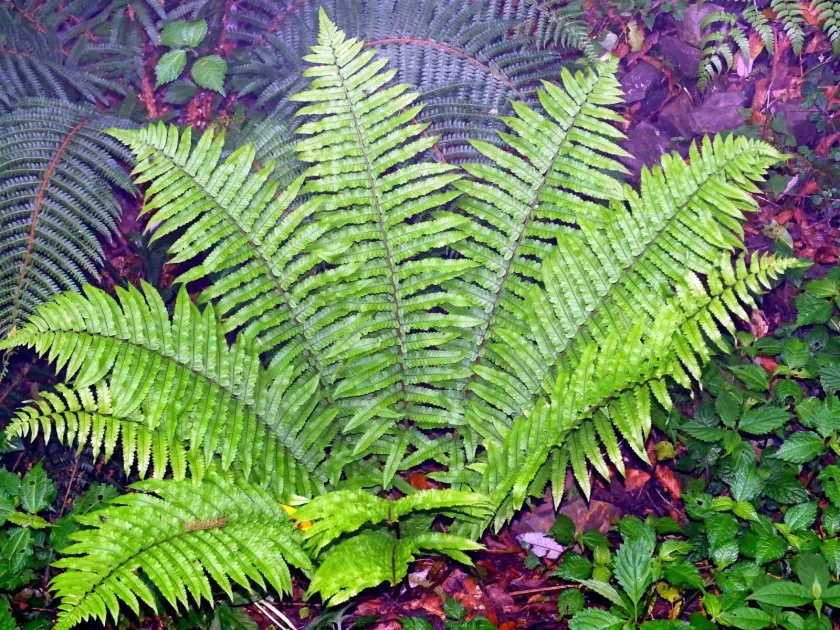
Description
Growing requirements
Dryopteris dickinsii is a perennial fern belonging to the Dryopteridaceae family, native to the temperate forests of East Asia. This species is highly valued for its elegant, arching fronds and robust growth habit in shaded environments.
The plant thrives in soil that is rich in organic matter, slightly acidic, and well-draining. It performs best in woodland-style gardens where the soil mimics a natural forest floor, maintaining consistent moisture levels without becoming waterlogged.
Regarding climatic requirements, this fern prefers cool to moderate temperatures and high humidity. It is sensitive to direct sunlight, which can scorch its fronds, and thus should be planted in partial to full shade to protect its delicate foliage.
Cultivation practices involve regular irrigation to prevent the root zone from drying out completely. Mulching with organic material, such as compost or leaf mold, is recommended to help retain moisture and provide essential nutrients throughout the growing season.
In terms of usage, Dryopteris dickinsii is primarily used as an ornamental plant in landscaping. Its ability to create dense, lush ground cover makes it an excellent choice for shaded borders, rock gardens, and container planting in cool climates.
Main diseases and pests
Common threats to Dryopteris dickinsii include fungal diseases such as leaf spots, which often arise in environments with poor air circulation and excessive foliage wetness.
Foliar nematodes pose a significant risk, causing visible discoloration and browning of the fronds, which can weaken the overall health of the plant if left unmanaged.
Pests such as spider mites and aphids can become problematic, particularly during dry spells or if the plant is subjected to stress from low humidity or inadequate water supply.
Slugs and snails are frequently attracted to the tender emerging fronds in spring, requiring manual removal or biological pest control measures to prevent severe aesthetic damage.
Maintaining a healthy garden environment through proper sanitation, spacing to improve airflow, and regular monitoring for signs of infestation is essential for protecting this fern species.