
Dryopteris cycadina
Dryopteris cycadina
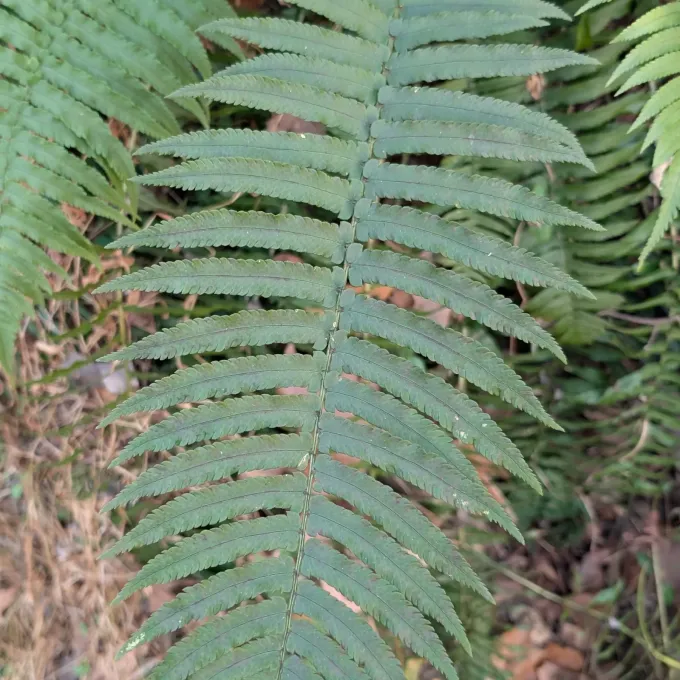
Description
Growing requirements
Dryopteris cycadina, often referred to as the Shaggy Shield Fern, is a member of the Dryopteridaceae family. It is a robust, evergreen or semi-evergreen fern prized by gardeners for its stiff, glossy, dark green fronds that bear a striking resemblance to cycad foliage.
Native to the temperate woodlands of East Asia, including Japan and parts of China, this species thrives in environments characterized by filtered light and consistent moisture, making it an excellent candidate for shaded garden spots.
When cultivating this fern, it is essential to provide well-draining, humus-rich soil. The plant prefers slightly acidic conditions and benefits significantly from the addition of organic compost to the planting site to mimic its natural forest floor habitat.
The fern requires shelter from harsh, direct sunlight and strong winds, which can easily damage its rigid fronds. While it appreciates high humidity, good air circulation is necessary to prevent the development of fungal pathogens.
This species is valued for its architectural appearance, providing structure to shade gardens. It pairs beautifully with other woodland perennials like hostas, hellebores, and anemones, creating a lush, textured display that remains attractive for most of the year.
Main diseases and pests
Fungal issues, such as root rot and leaf spot, are the primary health threats to Dryopteris cycadina. These usually occur due to poor drainage, waterlogged soil, or overhead irrigation that keeps the fronds excessively wet for long periods.
Pests such as scale insects and spider mites can occasionally affect the fern, particularly in dry indoor environments or during hot, arid spells in the summer. Regular misting and monitoring are vital for early detection of these small invaders.
Slugs and snails can cause significant cosmetic damage, especially when the delicate new fronds (fiddlenecks) emerge in spring. Applying physical barriers like copper tape or crushed eggshells around the base can help deter them.
Maintenance practices are the first line of defense. Removing dead or diseased fronds at the end of the season prevents the accumulation of pathogens and ensures the plant directs its energy toward new, healthy growth in the spring.
For chemical-free pest control, encouraging natural predators like ladybugs or predatory mites in the garden ecosystem can help manage potential infestations of aphids and spider mites without harming the environment.