
Crisp-leaved wood fern
Dryopteris crispifolia
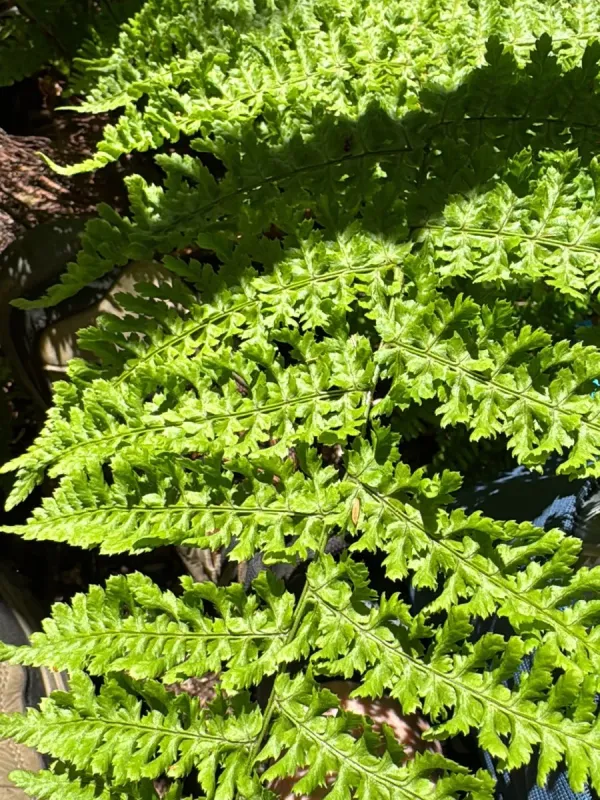
Description
Growing requirements
The crisp-leaved wood fern, scientifically known as Dryopteris crispifolia, is a distinct species of fern within the Dryopteridaceae family. It is primarily recognized as a rare endemic plant originating from the Tristan da Cunha archipelago.
This species thrives in oceanic climates characterized by consistently high humidity levels and mild temperatures. It requires a stable environment where it is protected from frost and extreme heat, making it an excellent candidate for specialized greenhouse cultivation.
Growing media should be loose, well-draining, and rich in organic matter, such as leaf mold or peat-based compost. The pH balance should be slightly acidic to neutral to support optimal nutrient uptake for the fern's root system.
Light requirements for Dryopteris crispifolia involve bright but indirect light. In a garden or indoor setting, it should be placed in a shaded location where it is shielded from the harsh afternoon sun to prevent dehydration and leaf scorching.
Irrigation practices must be precise; the soil should remain consistently moist but never waterlogged. Using rainwater or soft, chlorine-free water is highly recommended to maintain the long-term health of the delicate root tissues.
Main diseases and pests
The main threats to the crisp-leaved wood fern include fungal infections such as root rot and leaf spot, which are frequently triggered by poor air circulation and excessive substrate moisture. Proper spacing is essential to minimize these risks.
Spider mites are the most common pest associated with this species, especially if the surrounding air becomes too dry. Increasing the humidity levels around the plant is a critical preventive measure against these persistent pests.
Scale insects can also infest the stems and leaves, causing a decline in the plant's overall vigor. Regular monitoring and physical removal of these pests are effective early intervention strategies before chemical treatment is needed.
Root-knot nematodes represent a hidden threat that can cause stunted growth. Using sterilized potting soil when repotting or propagating is the most reliable way to prevent such infestations from taking hold in the collection.
Slugs and snails may feed on the tender emerging fronds of the fern during the growing season. Implementing physical barriers or using non-toxic baits can help protect the plant from these nocturnal grazers.