
Dryopteris crassirhizoma
Dryopteris crassirhizoma
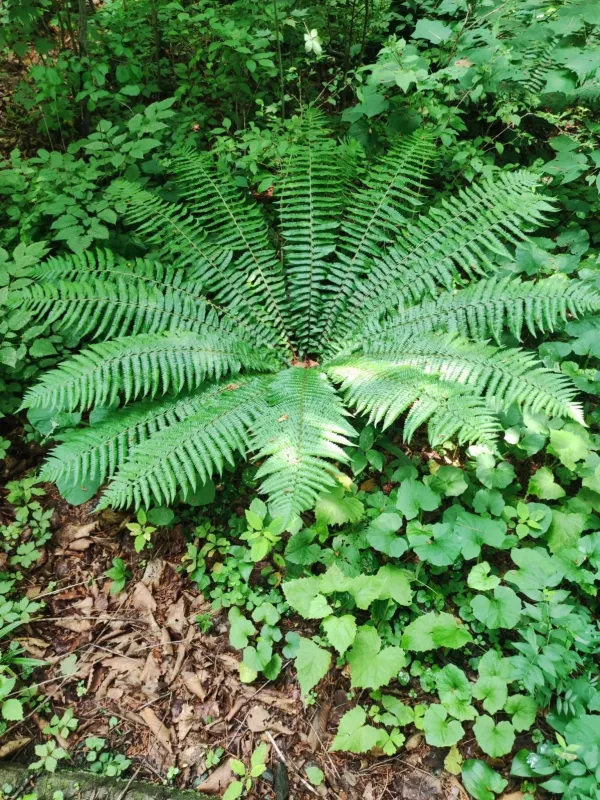
Description
Growing requirements
Dryopteris crassirhizoma is a robust perennial fern belonging to the Dryopteridaceae family. It is widely recognized for its thick, sturdy, and nearly erect rhizome, which serves as a significant storage organ for the plant.
The native range of this species extends across the forests of the Far East, including parts of China, Japan, and Korea. It typically thrives in humid, shaded environments under dense forest canopies.
For successful agricultural production, it requires moist, humus-rich, and well-drained soils. The pH level should ideally be slightly acidic, mimicking the natural woodland floor conditions where it historically grows.
The plant is highly adapted to temperate climates, showing excellent frost resistance during winter months. However, it must be shielded from intense direct sunlight, which can scorch its delicate fronds.
Maintenance involves routine mulching, which serves the dual purpose of moisture retention and soil enrichment. Minimal fertilization is sufficient, provided that the soil organic matter is maintained through annual amendments.
Yield
The economic value of this fern is primarily derived from its medicinal rhizomes, which are harvested for traditional pharmaceutical applications. The yield depends on the age of the plant and the soil fertility.
Harvesting usually takes place after the plant has reached 5-7 years of maturity to ensure the rhizome has accumulated sufficient active components. This long cultivation cycle necessitates proper site planning.
In terms of production, the focus is on the dry weight of the processed rhizomes. Proper drying techniques are crucial to prevent quality loss and the development of mold during post-harvest handling.
Yield can be improved by maintaining optimal planting density, which prevents competition for resources while allowing for easy access during the harvesting process.
Sustainable harvesting methods, including selective extraction of older rhizomes, help in maintaining the productivity of the plantation over several years without requiring total replanting.
Main diseases and pests
Dryopteris crassirhizoma generally exhibits strong immunity, but it remains susceptible to various fungal pathogens under stress. Root rot is a primary concern if the soil drainage is compromised.
Gastropods, such as slugs and snails, represent the most frequent threat to the fronds, particularly during the humid spring months. These pests can significantly impact the vegetative growth.
In rare instances, infestations of aphids or spider mites may occur during periods of prolonged drought. Monitoring for these pests is essential to prevent large-scale damage to the foliage.
Pathogen management is largely preventive, relying on adequate spacing for air circulation and the immediate removal of any diseased or decaying organic matter near the base of the plant.
Environmental management, such as maintaining stable soil moisture and avoiding waterlogging, is the most effective way to protect the plant from soil-borne diseases that could jeopardize the rhizome quality.