
Corley's buckler fern
Dryopteris corleyi
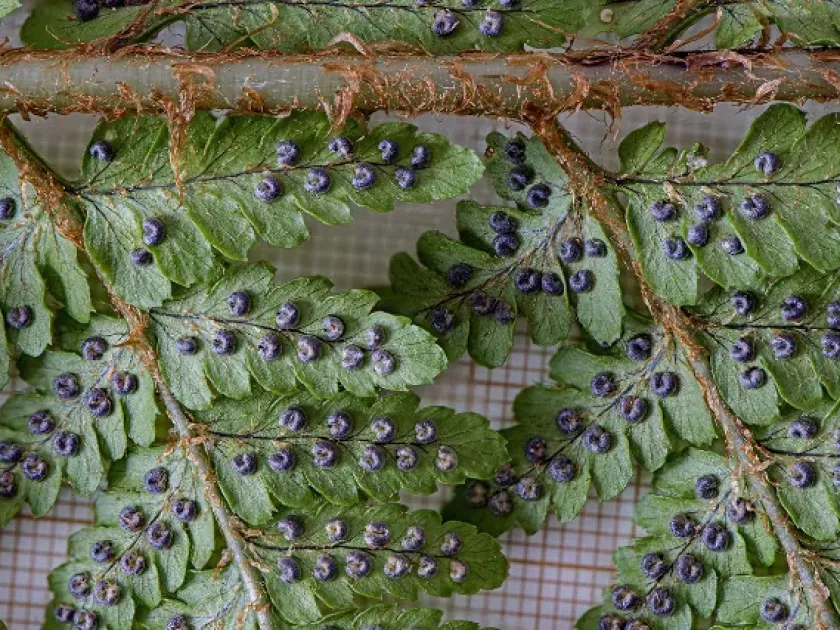
Description
Growing requirements
Corley's buckler fern is a perennial ornamental fern belonging to the Dryopteridaceae family. It is valued by gardeners for its robust, dark green leathery fronds and its distinct structural presence in shaded landscape settings.
The species is native to specific mountainous regions of northern Spain. Its natural habitat implies a high tolerance for cool, temperate climates and a preference for consistent moisture levels throughout the growing season.
Soil requirements involve a rich, humus-based substrate that remains moist but provides excellent drainage. The plant thrives in acidic to slightly acidic soil conditions, necessitating appropriate amendments if the garden soil is too alkaline.
The ideal location for this fern is in partial to full shade. Avoiding direct sunlight is crucial, as intense solar exposure can scorch the fronds and degrade the overall health and appearance of the specimen.
Proper irrigation management is the cornerstone of its cultivation. While the plant requires regular watering, it is sensitive to waterlogged conditions, which can lead to rapid decay of the root rhizome system.
Main diseases and pests
The primary pathological threats to Corley's buckler fern include fungal rots, which typically manifest when the soil is overly saturated and airflow around the plant is insufficient. Maintaining proper spacing is essential for prevention.
Slugs and snails present a significant threat to young, emerging fronds during the spring. Implementing physical barriers or organic bait traps is often necessary to prevent severe defoliation of the plant.
Scale insects may occasionally infest the plant under stressed conditions. Early detection and mechanical removal are usually sufficient to manage these populations without the need for systemic chemical pesticides.
Winter care is important in colder climates to protect the crown of the plant. A protective layer of organic mulch, such as pine needles or bark, helps to insulate the root system against sudden temperature fluctuations.
Routine maintenance, including the removal of dead or decaying fronds in early spring, is critical for disease management. This practice reduces the presence of overwintering fungal spores and promotes vigorous new growth.