
Clinton's wood fern
Dryopteris clintoniana
Description
Growing requirements
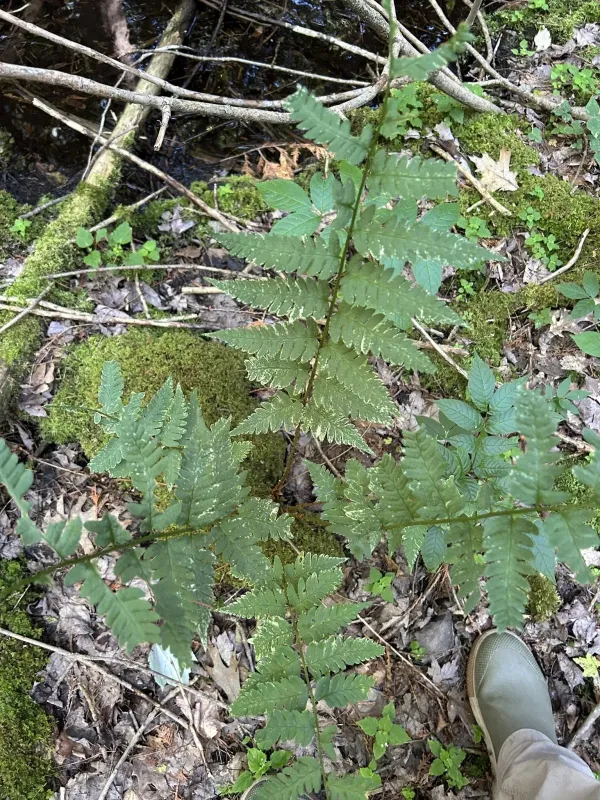
Clinton's wood fern (Dryopteris clintoniana) is a perennial species belonging to the Dryopteridaceae family. Native to the damp woodlands of North America, this plant is valued for its lush, upright fronds that bring a woodland aesthetic to shaded landscapes.
The plant thrives in partial to full shade, avoiding direct sunlight which can scorch its delicate foliage. It prefers consistently moist, humus-rich soil that is well-drained to prevent the crown from rotting while providing nutrients for steady growth.
Ideal conditions for cultivation involve replicating forest floor environments. Integrating leaf mold or compost into the soil during planting provides the necessary acidity and organic content that this fern species naturally requires for optimal development.
Regarding climate, this fern is highly hardy in cold temperate zones. It is a robust grower that spreads slowly via rhizomes, eventually forming impressive clumps that can serve as focal points in shade gardens or near water features.
Annual maintenance is minimal but beneficial; watering during dry spells and providing a layer of mulch in the autumn helps retain soil moisture and protects the rhizomes from extreme temperature fluctuations during the winter season.
Main diseases and pests
Clinton's wood fern is relatively resistant to serious pests and diseases, but it remains susceptible to common shade garden threats like slugs and snails, which can cause significant damage to young, emerging fronds in early spring.
Fungal issues such as leaf spot or crown rot may occur if the plant is grown in poorly drained soil or if humidity remains stagnant for extended periods, encouraging the proliferation of pathogens around the base of the plant.
Sanitation practices are essential for healthy ferns. Removing damaged or diseased fronds at the end of the season prevents spores and pathogens from overwintering and reinfecting the plant during the following spring growth cycle.
Implementing a preventive strategy, such as proper spacing for air circulation, significantly mitigates the risk of fungal infections. If pest populations reach economic thresholds, organic solutions like iron phosphate baits are recommended for slug control.
Monitoring the plant during high humidity periods is advisable, as this is when the most common foliar diseases are likely to manifest. Healthy, vigorous plants generally recover well from minor damage without chemical intervention.