
Chinese wood fern
Dryopteris chinensis
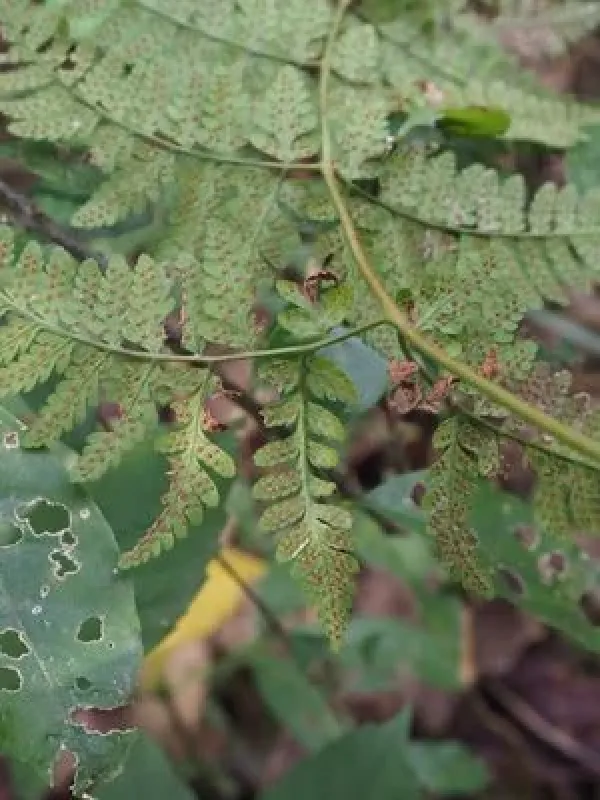
Description
Growing requirements
The Chinese wood fern (Dryopteris chinensis) is a robust perennial species belonging to the Dryopteridaceae family. Originally native to the woodlands of East Asia, it thrives in environments that mimic its natural habitat, which is characterized by dappled sunlight and consistently moist conditions.
The plant requires a well-draining, humus-rich soil structure to thrive. Ideally, the pH should be slightly acidic, allowing the fern's extensive rhizome system to absorb nutrients efficiently without suffering from root rot caused by stagnant water.
Regarding climate, this fern is adapted to temperate zones where it can benefit from shelter against harsh, drying winds. While it is hardy, the plant performs best in protected microclimates where temperatures do not experience extreme fluctuations between seasons.
Watering requirements are relatively high during the active growing season. Gardeners or growers should maintain a moist soil profile, ensuring that the substrate never dries out completely, as this can lead to the browning and dieback of the fronds.
Maintenance involves periodic mulching with organic material such as leaf mold or compost. This practice not only suppresses weed growth but also insulates the roots during colder winter months, promoting healthier growth during the following spring.
Harvesting
The harvest of Dryopteris chinensis is typically focused on either propagating the plants for nursery sales or collecting rhizomes for medicinal research. Harvesting is most effectively performed during the plant's dormant stage in late autumn.
When harvesting, the rhizomes must be lifted carefully from the soil. Cleanliness is paramount; all dirt and debris should be removed immediately to prevent fungal infections that could compromise the quality of the harvested biological material.
Drying procedures must be carefully monitored to preserve the secondary metabolites found within the rhizomes. Utilizing low-temperature, high-ventilation drying techniques ensures the integrity of the bioactive compounds for any potential commercial applications.
For horticultural purposes, the harvest of division-ready clumps is best timed for early spring. This allows the newly separated plants to establish their root systems in their new locations before the intensity of the midsummer heat arrives.
After the harvest, proper soil management is necessary. By incorporating organic fertilizers and ensuring adequate moisture levels post-harvest, growers can significantly improve the regeneration rate of the fern beds for subsequent years of production.