
Narrow buckler fern
Dryopteris carthusiana
Description
Growing requirements
The Narrow buckler fern, botanically known as Dryopteris carthusiana, is a perennial herbaceous fern belonging to the Dryopteridaceae family. It is naturally widespread across temperate regions of the Northern Hemisphere, where it typically inhabits moist forests, wetlands, and fens.
This species thrives in loose, humus-rich soils that retain adequate moisture throughout the growing season. While it is highly adaptable, it shows a strong preference for shaded locations, making it an excellent choice for woodland garden settings and north-facing garden zones.
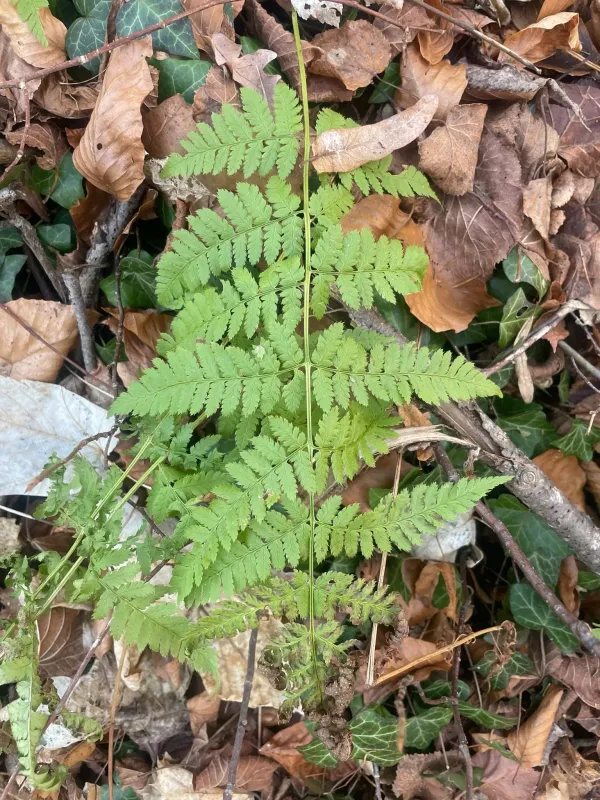
From a botanical perspective, the plant features a distinct crown of bipinnate fronds that emerge from a short, creeping rhizome. The foliage is light green and possesses a delicate, lacy texture, which provides a high aesthetic appeal for botanical collections and naturalistic plantings.
Economically, while not a commercial crop in the traditional sense, this fern is highly valued in the nursery industry and landscape architecture. It is commonly utilized to add texture to shaded border plantings and as ground cover in temperate climates.
Cultivation requires minimal intervention once established; however, consistent moisture levels and protection from direct midday sun are critical. The plant demonstrates high winter hardiness, making it a reliable perennial for various outdoor landscaping projects and restoration sites.
Main diseases and pests
The primary threats to the Narrow buckler fern are fungal diseases caused by waterlogged soils or poor air circulation. Prolonged humidity during warm periods can trigger leaf spot symptoms, necessitating the removal of affected fronds to prevent further spread of the pathogen.
Common garden pests such as slugs, snails, and certain species of aphids may infest the fronds during the early stages of growth. Maintaining a clean garden environment and preventing excessive soil compaction are effective measures to ensure the long-term health of the plant.