
Borrer's Male Fern
Dryopteris borreri
Description
Growing requirements
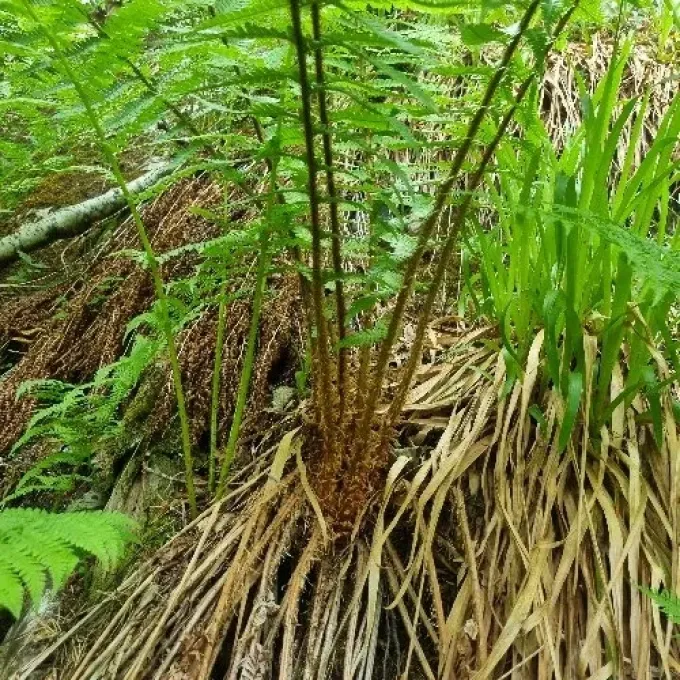
Borrer's Male Fern (Dryopteris borreri) is a robust perennial fern species belonging to the Dryopteridaceae family. It is widely cultivated for its golden-green, stiff fronds which add structural beauty to any garden.
This species is native to Europe and is typically found in temperate forest environments, flourishing in habitats that provide consistent moisture and protection from harsh elements.
The plant thrives in shaded or semi-shaded conditions. Exposure to direct afternoon sun can lead to scorching of the foliage, so site selection is crucial for success.
Regarding soil requirements, it prefers moist, well-drained, and humus-rich soil. It is tolerant of various soil types but performs best in slightly acidic to neutral environments.
Cultivation practices involve regular watering, particularly during dry spells, and mulching with organic matter to conserve moisture and suppress weeds around the root zone.
Main diseases and pests
The most common pests affecting Borrer's Male Fern are slugs and snails, which feed on the developing fiddleheads during the spring season.
Fungal diseases like leaf spot or crown rot may occur if the plant is grown in overly wet conditions without proper drainage or airflow.
Scale insects can occasionally infest the undersides of the fronds, potentially weakening the plant if left untreated for long periods.
Control of these pests involves physical barriers, such as copper tape for slugs, or the application of horticultural oils for insect control.
To ensure plant health, garden maintenance should focus on avoiding overhead watering, which keeps the fronds damp and encourages disease spread.