
Green dipcadi
Dipcadi viride
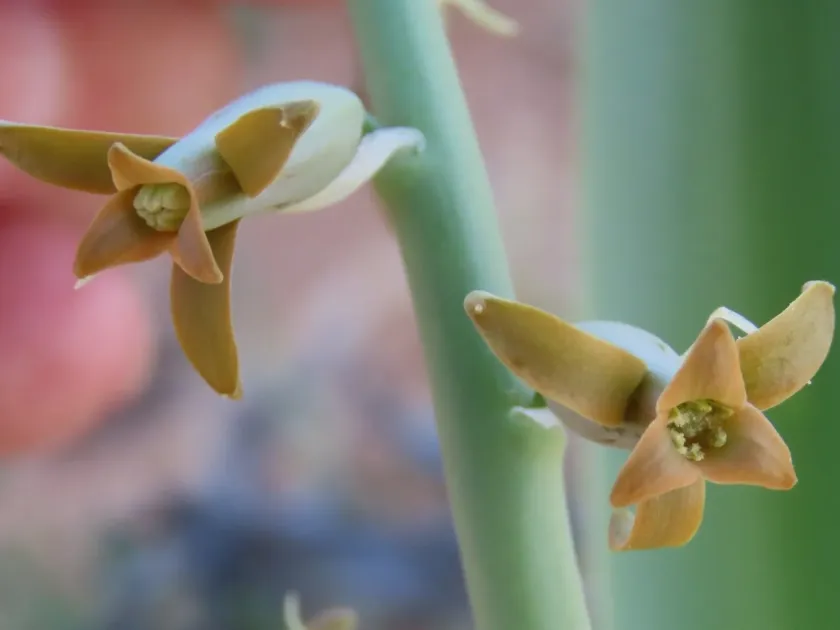
Description
Sowing dates
Sowing seeds of Dipcadi viride is typically done in the spring using a well-draining, sandy substrate. The seeds should be covered lightly with soil, as they require minimal depth to germinate successfully in a warm environment.
During the germination phase, it is essential to keep the soil slightly moist but never waterlogged. Using shallow seed trays helps in maintaining consistent moisture levels while allowing for adequate drainage.
Vegetative propagation via offsets is the preferred method for many growers. Offsets should be carefully separated from the parent bulb during the dormant season and replanted into fresh, sterile soil.
Seedlings grow relatively slowly and may take several years to reach flowering maturity. Providing consistent light and moderate warmth during the first year is crucial for bulb development.
After the first season, young bulbs can be transplanted into larger pots to give them more room to expand. Careful handling of the roots is necessary to ensure the plant continues to thrive after transplanting.
Growing requirements
Green dipcadi, belonging to the Asparagaceae family, thrives in sunny, open locations. It is well-adapted to environments with distinct dry seasons, reflecting its native habitat preferences.
The ideal soil for this crop is light, porous, and sandy. Drainage is the most important factor; a soil mix with high mineral content helps to mimic the natural conditions where these bulbs typically grow.
Regarding climate, the plant requires a warm growing season followed by a cool, dry dormant period. Extreme humidity should be avoided at all costs, especially during the winter months.
Watering should be managed with caution. It is best to wait until the top few centimeters of the soil are completely dry before providing more water, ensuring the bulb does not sit in stagnant moisture.
Minimal fertilization is required for this plant. A balanced, low-concentration liquid fertilizer applied once or twice during the active growth phase is sufficient to support healthy foliage and flowering.
Main diseases and pests
The most significant threat to Dipcadi viride is root rot, triggered by excessive soil moisture and poor air circulation. This fungal disease can cause rapid decay of the bulb if not addressed early.
Pests such as aphids or spider mites may occasionally infest the foliage, particularly if the plant is grown indoors or in greenhouse conditions with low humidity.
Viral infections can sometimes affect these bulbs, leading to yellowing streaks on leaves or stunted growth. Infected plants should be promptly isolated and removed to prevent spread to healthy specimens.
Physical damage to the bulb during maintenance or storage can lead to bacterial soft rot. Always use sanitized tools and handle bulbs with care to minimize surface lesions.
Regular sanitation of the growing environment, including the removal of dead organic matter, is a simple yet effective way to prevent the buildup of pathogens that target the plant's root system.