
Dipcadi hybrid
Dipcadi hybrids
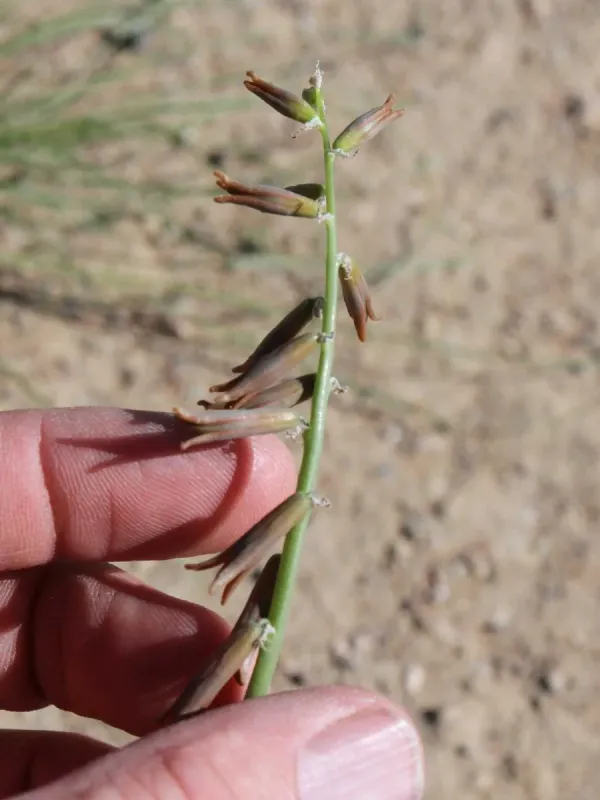
Description
Sowing dates
Planting Dipcadi hybrid bulbs should ideally take place in the spring once the risk of frost has passed and the soil has warmed. The bulbs need to be set at a depth approximately two to three times their own diameter in well-drained soil.
Site selection is critical for success; choose a sunny location where the plant can receive full daylight throughout the growing season. Proper spacing, typically 15–20 centimeters between bulbs, ensures adequate air circulation and nutrient availability.
If utilizing containers, ensure that the pot has sufficient drainage holes at the base. A light, porous potting mix is essential for the healthy development of roots and to prevent the accumulation of stagnant moisture.
After planting, lightly water the area to settle the soil around the bulb, but be careful to avoid excessive moisture that can lead to rot. Once established, the frequency of watering can be adjusted based on local rainfall patterns.
Incorporating a small amount of organic compost into the planting hole can provide a slow-release nutrient source. However, avoid burying the bulbs in heavy, nitrogen-rich manure, which can cause soft growth and increase susceptibility to pests.
Growing requirements
Dipcadi hybrid is a member of the Asparagaceae family, thriving in climates characterized by warm, dry growing seasons. It prefers locations that mimic its native arid habitats, emphasizing the need for good drainage and solar exposure.
The soil should ideally be sandy or gritty, allowing water to pass through quickly without waterlogging the bulb. Acidic soils should be amended with lime to reach a neutral or slightly alkaline pH, which this culture favors for growth.
Regular watering is necessary during the active vegetative stage, but it must be tapered off as the foliage begins to yellow. During the dormancy phase, the soil must be kept relatively dry to prevent the bulbs from decaying.
Temperatures ranging from 20°C to 30°C are ideal during the summer months for optimal leaf and flower development. In regions with freezing winters, bulbs should be lifted and stored in a cool, dark, and dry environment until spring.
Fertilization should be kept to a minimum, as these plants are well-adapted to nutrient-poor soils. If growth appears stunted, a balanced liquid fertilizer diluted to half strength can be applied during the early peak of the growing season.
Main diseases and pests
The primary threats to Dipcadi hybrid are fungal pathogens such as Fusarium, which targets the bulb and basal plate. High humidity and poor drainage are the most significant catalysts for the onset of these devastating fungal diseases.
Pests such as bulb mites and various species of flies can cause mechanical injury, providing entry points for bacteria and fungi. Regular inspection of the bulb store and growing plants is vital to manage these potential threats.
Nematodes are another serious concern, as they can weaken the plant's structural integrity and significantly reduce its ornamental value. Using clean, certified planting stock is the most effective defense against these microscopic pests.
Good cultural practices, such as providing ample space for airflow, are the best defense against powdery mildew and other foliar infections. Keep the surrounding area free of debris and fallen foliage to reduce the pressure of pathogenic organisms.
In case of severe infestations, targeted application of appropriate fungicides or insecticides may be required. However, integrated pest management strategies should always prioritize environmental safety and the long-term health of the soil microbiome.