
Dipcadi crispum
Dipcadi crispum
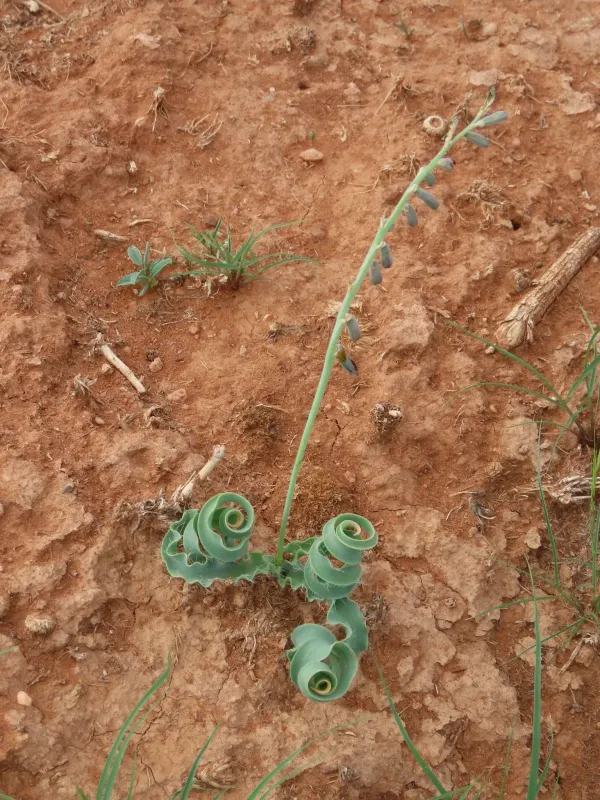
Description
Growing requirements
Dipcadi crispum is a member of the Asparagaceae family. This bulbous perennial is native to arid environments, which fundamentally shapes its growth cycle and structural adaptations for survival in nutrient-poor soils.
The plant requires well-drained, sandy, or stony substrates. Drainage is the single most important factor in its cultivation, as stagnant water is fatal to the bulb, leading to rapid tissue breakdown and decay.
It thrives in full sun exposure. Adequate light is essential for the plant to complete its reproductive cycle and ensure the bulb stores enough energy for the subsequent period of dormancy.
Climate requirements include a distinct cycle of warm growing seasons followed by a dry rest period. This Mediterranean-style or arid-climate rhythm is necessary to prevent premature sprouting or root system failure.
General management involves careful moisture monitoring. Fertilizer application should be limited to the active growing phase, utilizing low-nitrogen, high-potassium formulas to support bulb development rather than excessive foliage growth.
Main diseases and pests
The most significant threats to Dipcadi crispum are root and bulb rots caused by fungal pathogens. Overwatering during the dormant phase often leads to these infections, which can destroy the crop quickly.
Pests such as bulb mites and various soil-dwelling larvae can infest the root systems. Preventive measures include soil treatment and careful inspection of bulbs before planting to ensure they are free of mechanical damage.
Foliar fungal infections, such as rust or mildew, can occur under high humidity levels with poor air circulation. Improving ventilation around the plants is essential for maintaining a healthy leaf surface.
Integrated pest management protocols are recommended to mitigate the risk of damage. Rotating the planting site helps to prevent the buildup of soil-borne pathogens in the growing area.
Regular monitoring of plants for yellowing or stunted growth provides an early warning system for subterranean pests or water-related issues, allowing for rapid intervention before the crop is compromised.