
Velvet crabgrass
Digitaria velutina (Forssk.) P. Beauv.
Description
Growing requirements
Velvet crabgrass (Digitaria velutina) is an annual grass species belonging to the Poaceae family. Native to tropical and subtropical regions of Africa, it has gained attention as a potential forage crop in similar warm climates worldwide.
The plant thrives in fertile, well-drained soils and exhibits a high degree of adaptability to various environmental conditions. It performs optimally under full sun exposure, which is essential for maximizing its vegetative growth and nutritional density.
Regarding climatic needs, this species is well-suited to hot climates, showing significant resilience during moderate dry spells. It requires adequate precipitation or irrigation during its establishment phase to ensure a vigorous root system.
Agricultural management involves careful seedbed preparation to minimize weed competition. Given its fast-growing nature, it can provide multiple cuts throughout the growing season if soil nutrient levels, particularly nitrogen, are properly maintained.
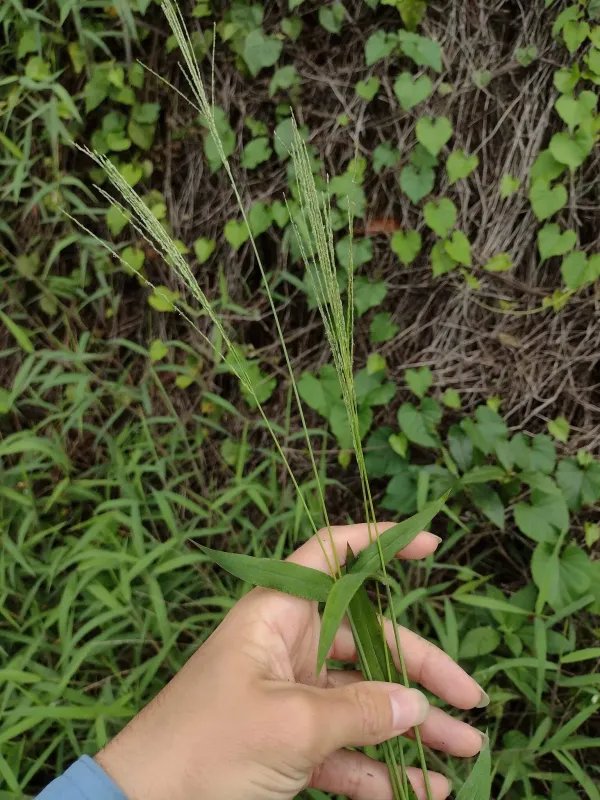
The plant is botanically characterized by its velvet-like pubescence on leaves and stems, which is a distinctive feature. Its upright growth habit makes it mechanically harvestable, contributing to its practical use in modern forage production systems.
Main diseases and pests
Digitaria velutina can be susceptible to common grass pathogens such as rust fungi and leaf spots, especially in regions with high humidity and poor air circulation around the plants.
Insect pests, including aphids and various lepidopterous larvae, may feed on the foliage, potentially reducing the biomass yield and the quality of the harvested hay or silage.
Root-knot nematodes can pose a significant threat in sandy soil types if proper crop rotation practices are not followed, leading to stunted plant growth and yield gaps.
Integrated pest management strategies should focus on maintaining plant vigor through appropriate fertilization and selecting sites with adequate drainage to reduce disease pressure.
Timely harvesting is also an essential agronomic measure, as it helps to remove the biomass before pathogens can reach epidemic levels within the dense crop canopy.