
Egyptian crabgrass
Digitaria aegyptiaca Willd.
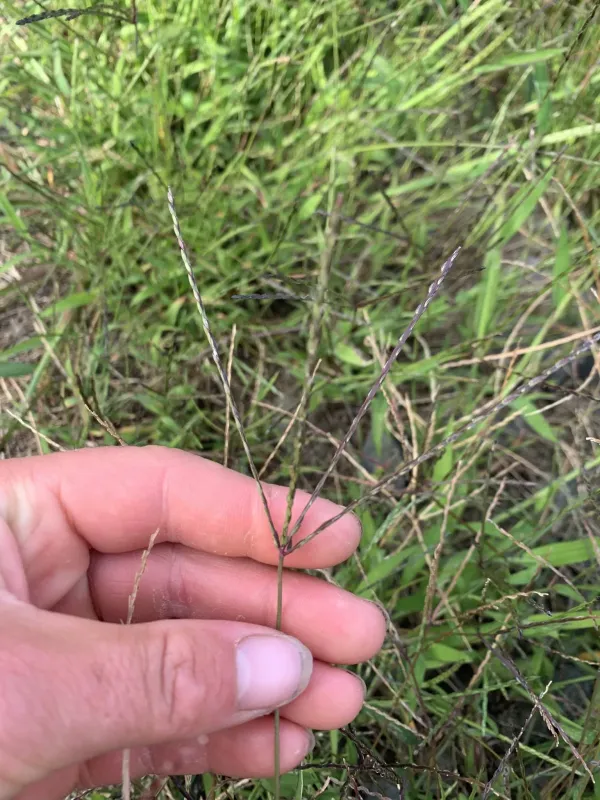
Description
Sowing dates
Digitaria aegyptiaca is a warm-season annual grass that requires significant soil warming for optimal germination. Sowing should only occur once the risk of spring frost has completely passed and soil temperatures have stabilized above 18 degrees Celsius.
The seeds are very small and must be sown at a shallow depth, ideally no more than 1 to 2 centimeters. Surface sowing followed by light rolling is the preferred method to ensure adequate soil-to-seed contact and promote efficient moisture uptake during the initial germination phase.
Proper seeding rates are essential to achieve rapid stand establishment. A denser initial stand helps the crop canopy close faster, providing a natural competitive advantage over emerging weeds, which is critical in the first few weeks of growth.
In regions with a long growing season, successional sowing can be practiced to provide a continuous supply of green biomass. This approach is highly effective in irrigated systems where soil moisture can be strictly managed to support vigorous regrowth.
Irrigation immediately following sowing is highly recommended if natural precipitation is insufficient. Maintaining a moist but not waterlogged surface environment is the key to preventing the soil crusting that often prevents small seedlings from emerging properly.
Growing requirements
Egyptian crabgrass thrives in a variety of soil types, ranging from light sandy loams to heavier clay soils, provided that drainage is adequate. Good soil aeration is essential for optimal root development and for avoiding waterlogging, which the plant does not tolerate well.
As a C4 photosynthetic plant, it is extremely sensitive to light availability. It requires full sun exposure throughout the day to achieve its maximum biomass potential. Shaded areas result in weak, etiolated stems and a significant drop in nutritional value.
While the species is known for its moderate drought tolerance once established, it remains most productive under consistent moisture regimes. Periods of peak demand occur during the vegetative growth phase and the transition to the flowering stage.
Temperature is the primary driver of growth for this species, with an optimum range between 25 and 32 degrees Celsius. The plant is purely tropical in origin and cannot survive freezing temperatures, which cause immediate tissue damage and total crop failure.
Nutrient requirements are modest compared to high-intensity cereals, but the plant responds well to nitrogen application. Applying fertilizer during the early vegetative stages encourages tillering, which is directly correlated with the final harvestable yield.
Yield
The yield potential of Digitaria aegyptiaca is significantly influenced by management practices such as irrigation and nutrient timing. Under optimal conditions, the plant can produce a substantial amount of green biomass suitable for grazing or hay production.
Multiple harvests per season are possible if the crop is managed for forage. Harvesting at the early heading stage prevents the stems from becoming too fibrous, thereby maintaining high digestibility and protein content for livestock consumption.
Seed production requires careful monitoring of the maturity stage. As the plant is prone to seed shattering, timing the harvest correctly when seeds are in the physiological maturity phase is essential to minimizing losses during the mechanical harvesting process.
Productivity metrics should account for the specific climate zone and length of the growing season. In optimized systems, the cumulative yield from several cuttings can be high, making this grass a valuable component in warm-climate forage rotations.
Quality control during harvest is paramount. Ensuring that the forage is harvested before the plants become overly lignified ensures that the final product meets the nutritional standards required for high-performance livestock feeding.
Main diseases and pests
Fungal diseases, particularly rusts and leaf spots, represent the most significant biological threats to Egyptian crabgrass. These infections are most prevalent in humid conditions with poor air circulation within the stand, leading to reduced photosynthetic capacity.
Various sucking insects, including aphids and leafhoppers, can cause significant damage to young plants. Early-season scouting is necessary to determine if populations have reached economic threshold levels requiring insecticide application.
Weed competition is particularly damaging during the first 3-4 weeks post-emergence. Since the seedlings develop slowly, integrating mechanical weed control or safe herbicide applications is often necessary to prevent the stand from being overtaken by invasive weeds.
Crop rotation is the most effective cultural practice for disease management. Avoiding the consecutive planting of Digitaria or related grass species on the same field for multiple years helps interrupt the life cycles of soil-borne pathogens and specialized pests.
Continuous monitoring of field edges and low-lying areas, where humidity is higher, allows for the early detection of disease outbreaks. Rapid intervention with targeted fungicides can prevent large-scale infection and maintain the health of the entire crop stand.
Harvesting
Forage harvesting should be conducted during the late vegetative or early heading phase. At this developmental stage, the balance between total biomass quantity and nutritional quality is at its peak, providing the most value for animal nutrition.
When producing hay, cut material should be raked and allowed to dry in the field under favorable weather conditions. Proper moisture content at baling is critical to prevent mold development, which can occur rapidly if the hay is stored too wet.
Mechanical harvesting for seed production requires specialized equipment to minimize shattering losses. Direct combining with reel speed and air settings adjusted for light seeds is the preferred industrial approach to collecting high-quality seed lots.
Post-harvest drying is necessary for all seed destined for storage. Bringing the seed moisture content down to 12% ensures long-term viability and prevents the degradation of the embryo during storage in silo or bag conditions.
Efficient logistics are required to move fresh biomass to storage or processing facilities immediately after cutting. Reducing the time between the field and the storage site significantly lowers the risk of heat damage and nutrient loss in the harvested material.