
Digitaria didactyla
Digitaria didactyla Willd.
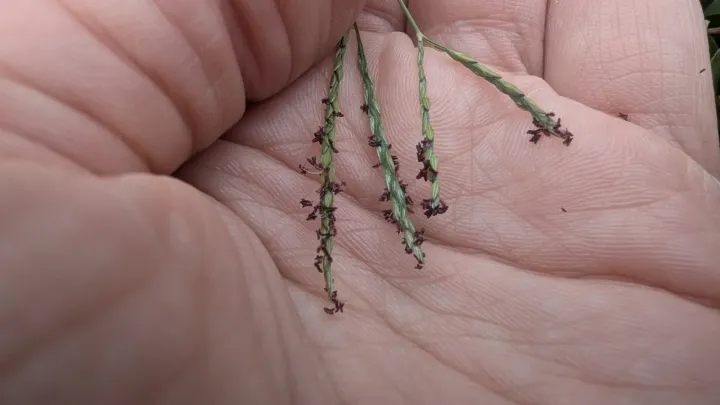
Description
Sowing dates
The sowing of Digitaria didactyla is best carried out when soil temperatures consistently reach 18–20 degrees Celsius. Because the seeds are quite small, they require careful placement at a shallow depth to ensure adequate soil contact for germination.
Optimal timing for planting is early spring or the onset of the warmer season, provided there is no further risk of frost. A well-prepared seedbed, cleared of weeds and debris, is essential for establishing a uniform and healthy stand of grass.
Broadcasting or shallow drilling methods are commonly used, followed by light rolling to firm the soil surface. Maintaining moisture in the top layer of the soil during the first few weeks is critical for the survival of emerging seedlings and their subsequent establishment.
Seed rates should be determined by the purity of the material and the intended use of the crop, whether for intensive pasture grazing or for establishing a dense turf layer. Proper equipment calibration is necessary to ensure an even distribution of seeds across the entire field.
As the seedlings emerge, they develop rapidly, utilizing their natural ability to tiller. Consistent care in the first stage of growth will define the density and longevity of the resulting grass stand, making initial soil fertility management a high priority.
Growing requirements
Digitaria didactyla is a perennial grass belonging to the Poaceae family, recognized for its durability and adaptation to tropical and subtropical climates. It thrives in sunny locations, as it is highly photophilous and performs poorly under dense shade.
The plant prefers well-drained, light to medium-textured soils with a neutral to slightly acidic pH. While it is tolerant to short-term wet conditions, it does not handle waterlogged soils well, which can lead to root system degradation.
It shows excellent tolerance to heat, with active growth occurring at temperatures between 25 and 30 degrees Celsius. This resilience makes it a preferred choice for hot regions where other grass species might suffer from heat stress or wilting.
Regarding soil fertility, it responds well to nitrogen-based fertilization, which helps maintain deep green foliage and vigorous growth. Occasional phosphorus and potassium applications may also be beneficial, depending on the specific soil nutrient profile.
Watering requirements are moderate; the plant is known for its ability to survive periods of mild drought. However, for maximum biomass production, regular watering during dry spells is recommended to keep the vegetation active and nutrient-rich.
Yield
The yield of Digitaria didactyla is highly dependent on the intensity of management, including mowing frequency or grazing rotation. When managed correctly, this grass can produce high-quality forage throughout the growing season.
Its nutritional composition makes it a suitable feed for various livestock. Regular harvesting or grazing keeps the grass in a young, vegetative state, which maximizes protein content and digestibility for grazing animals.
Rotational grazing systems are recommended to provide the grass with recovery periods, which is vital for long-term productivity. This practice prevents overgrazing and promotes the development of a deeper, more robust root system.
The rapid rate of tillering ensures a quick regrowth after harvesting. This biological feature allows farmers to get multiple cuts per season, providing a reliable supply of green fodder or high-quality hay for animal production.
Maintaining proper soil nutrient levels and preventing compaction are key factors in sustaining high yields over many years. As a persistent perennial, it provides a cost-effective solution for long-term pasture development.
Main diseases and pests
Fungal diseases can occur under conditions of high humidity or poor air circulation. Proper pasture management, including timely mowing to prevent excessive height, is a primary preventative measure against such pathogens.
Pests, such as various species of cutworms or grass-feeding insects, may occasionally affect young stands. Regular monitoring of the field allows for early detection, helping to prevent widespread damage through targeted and minimal interventions.
Weed competition is a significant threat only during the initial establishment phase. Because Digitaria didactyla forms a dense mat, it is very effective at suppressing most weeds once it has fully established itself in the field.
Overgrazing can weaken the stand, creating bare spots that invite invasive weed species. Maintaining an appropriate grazing pressure is crucial for the health and competitive advantage of the desired grass population.
In cases of severe infection or pest outbreaks, integrated pest management practices should be followed. Using approved biological controls or specific fungicides is only recommended when clear thresholds for economic damage are reached.