
Swaziland fingergrass
Digitaria swazilandensis Stent
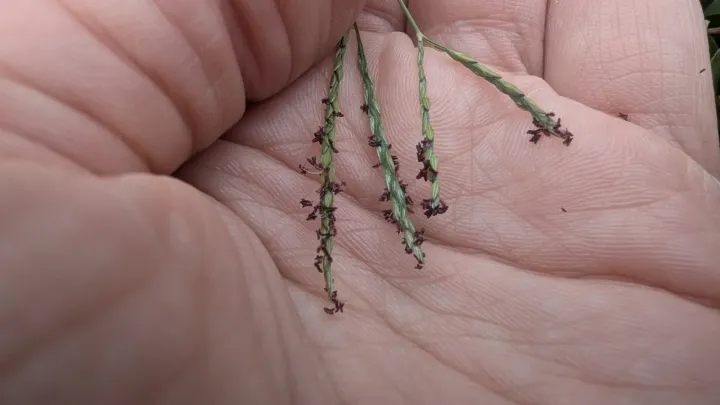
Description
Growing requirements
Digitaria swazilandensis, commonly known as Swaziland fingergrass, is a perennial forage grass species belonging to the Poaceae family. It is widely recognized for its robust nature and ability to form dense, productive swards in suitable climates.
The grass is native to parts of Southern Africa, particularly Swaziland and surrounding regions. Due to its resilience, it has been successfully introduced to various tropical and subtropical areas globally for livestock grazing.
Botanically, the plant is characterized by its trailing growth habit. It spreads via stolons that root at the nodes, creating a tight mat that is highly effective at stabilizing soil and suppressing competing weeds.
Swaziland fingergrass requires full sun and well-drained soil to thrive. While it is adaptable to various soil types, it performs best in fertile loams where moisture availability is consistent throughout the growing season.
In agricultural settings, it is primarily used as high-quality pasturage. It is prized by cattle producers for its good palatability and quick recovery rate following intensive grazing or mechanical harvesting.
Yield
The biomass yield of Swaziland fingergrass is heavily influenced by moisture levels and nitrogen availability. In regions with good rainfall, the species can produce multiple cuts per season, providing a steady supply of fodder.
Under intensive management, incorporating fertilization programs can significantly enhance the production capacity of the sward. Farmers often report high dry matter yields that contribute to improved livestock weight gain.
The durability of the grass mat improves with time, allowing pastures to sustain heavy stocking rates for several years. Consistent management ensures that the sward remains productive without degrading.
In arid conditions, supplemental irrigation can maintain growth, preventing the plant from going dormant. This flexibility makes it a valuable asset for farms operating in variable climatic conditions.
Proper grazing rotation is essential to maintain maximum yields. By allowing the grass to recover between grazing periods, farmers can ensure long-term sustainability and prevent the depletion of carbohydrate reserves in the stolons.
Main diseases and pests
While generally hardy, Swaziland fingergrass can be susceptible to fungal diseases such as leaf rust, particularly during periods of high humidity and poor air circulation. Proper pasture maintenance reduces this risk.
Insect pests, including various caterpillars and grass-feeding insects, may occasionally affect the crop. Integrated pest management strategies are effective in maintaining populations below damaging thresholds.
Weed encroachment is a primary concern primarily during the establishment phase. Once the stolons have covered the soil surface, the grass becomes highly competitive and effectively limits the emergence of weeds.
Waterlogging is detrimental to the health of this species. Soils with poor drainage increase the risk of root rot, which can lead to thinning of the sward and reduced overall vigor in the pasture.
Proactive monitoring of the pasture health is recommended. Maintaining soil fertility and ensuring appropriate grazing intensity are the most effective ways to bolster the natural resilience of the crop against biotic and abiotic stressors.