
Digitaria scalarum
Digitaria scalarum (Schweinf.) Chiov.
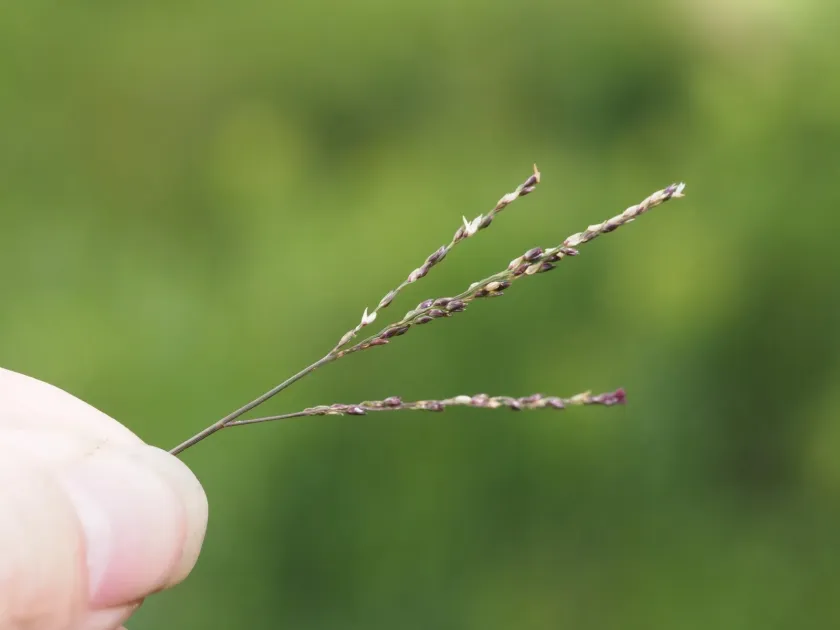
Description
Growing requirements
Digitaria scalarum, commonly known in botanical circles as a rhizomatous grass, belongs to the Poaceae family. It is a robust perennial species primarily found in tropical and subtropical regions of Africa, often colonizing disturbed habitats.
Botanically, the plant is characterized by its extensive underground network of rhizomes. These creeping structures allow the plant to spread horizontally beneath the soil surface, making it highly resilient and capable of rapid regeneration even after damage.
The plant thrives in a variety of soil types, ranging from sandy loams to heavy clay soils. It shows a strong preference for sunny environments and can tolerate high humidity levels, often becoming the dominant species in neglected or poorly managed fields.
In terms of agricultural suitability, it is rarely cultivated as a crop due to its invasive nature. Instead, it is treated as a major weed that significantly interferes with the development of primary food crops like maize and sorghum.
Agronomic management requires consistent efforts to deplete the reserves stored in the rhizomes. This includes repeated tillage practices and the application of herbicides specifically targeted at perennial grass species.
Main diseases and pests
Digitaria scalarum acts as a severe competitor for resources, often outcompeting crop plants in early growth stages. This competition can lead to significant yield reductions if left unmanaged during the critical period of crop establishment.
The plant acts as an alternative host for various pests and diseases that affect cultivated cereals. By providing a habitat for vectors, it helps perpetuate infection cycles for several economically important viral diseases.
Typical pests include aphids, leafhoppers, and various stem-boring insects. These pests can easily migrate from the weed to nearby crops, complicating the pest management strategies of the agricultural producer.
Control is challenging because mechanical cultivation often breaks rhizomes, which can then sprout and generate new plants. Therefore, mechanical control must be very thorough to be effective against this resilient species.
Chemical control usually involves systemic herbicides that translocate through the rhizome network. Regular monitoring is essential to detect early infestations and prevent the establishment of deep-rooted patches across the field.