
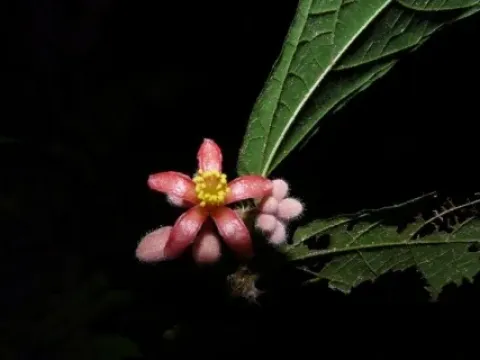
Desplatsia
Desplatsia
Propagation of Desplatsia in natural conditions occurs primarily through seeds. The seeds exhibit high germination rates when maintained at temperatures between 25 and 30 degrees Celsius.
What the section contains

Desplatsia
The optimal time for sowing is at the beginning of the rainy season, as soil moisture levels at this time best support embryo germination and root system development.
In nurseries, stratified seeds are sown in containers filled with a light, nutrient-rich substrate, typically supplemented with humus and wood ash to balance acidity.
Transplanting to the permanent site is performed once the seedlings have developed 4 to 6 true leaves, usually at the age of 3 to 4 months, reaching a height of 30 to 40 centimeters.
Maintaining adequate planting distance is essential; trees should be spaced at least 5 to 7 meters apart to ensure sufficient airflow and canopy ventilation.
Desplatsia belongs to the Malvaceae family and is a characteristic species of the moist tropical forests found in Western and Central Africa.
For optimal growth, the crop requires consistently high air temperatures throughout the growing season, avoiding sharp daily temperature fluctuations.
The plant thrives in deep, well-drained loamy soils rich in organic matter, typical of alluvial forest regions.
This crop is highly sensitive to waterlogging, so when selecting a site for plantation establishment, it is critical to avoid low-lying areas prone to saturation during heavy rains.
Light requirements are moderate; young plants benefit from partial shade, while mature trees can tolerate direct sunlight but generally prefer dappled shade.
Economic utilization of Desplatsia focuses on its fruits and wood, both of which hold significant local importance across equatorial African nations.
The fruits are edible and are frequently harvested by local populations as a supplementary food source during periods of agricultural scarcity.
Desplatsia wood is valued for its moderate hardness and flexibility, making it suitable for constructing farm buildings and manufacturing household tools.
The biological yield potential depends on the tree's age and environmental conditions, with fruit production typically beginning a few years after the plant reaches maturity.
Regular sanitary pruning and the application of organic fertilizers can significantly increase fruit harvest volumes and improve the overall quality of the yield.
The primary threats to Desplatsia plantations are fungal infections, which flourish in high-humidity conditions combined with poor air circulation.
Root rot represents a serious hazard if watering practices are incorrect or if the site drainage is poorly managed during the early growth stages.
Leaf-eating insects and specific types of tropical weevils can cause substantial damage to the plant's vegetative mass, ultimately reducing its overall immunity.
To prevent the spread of pests, regular monitoring of the canopy is recommended, alongside the prompt removal of damaged or infected branches.
The use of chemical protective agents is justified only in extreme cases, with preference given to biological control methods and maintaining the overall health of the plantation ecosystem.
Harvesting of Desplatsia fruits is performed manually as they ripen, which is indicated by noticeable changes in the color and firmness of the fruit wall.
It is important to conduct harvests during dry weather to prevent the development of mold and fungal decay on the gathered crop during transport and storage.
Once harvested, the fruits should be promptly delivered to primary processing or sorting facilities, avoiding prolonged exposure to direct sunlight.
Timber production is typically conducted during the plant's dormant period when sap flow is minimal, ensuring better preservation and structural quality of the material.
Adherence to post-harvest handling protocols is essential to significantly extend the shelf life of the fruits, which is critical for successful market distribution.