
Desplatsia dewevrei
Desplatsia dewevrei
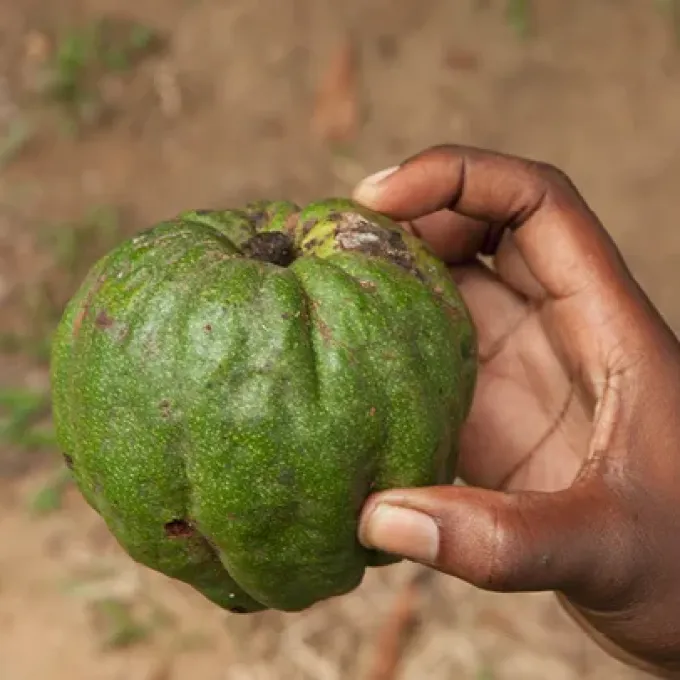
Description
Growing requirements
Desplatsia dewevrei is a tropical tree species belonging to the Malvaceae family. It is naturally occurring in the dense rainforests of Central and West Africa, where it plays a role in the local forest ecosystem.
The plant requires a humid tropical climate to thrive, characterized by high annual rainfall and consistently warm temperatures. It prefers deep, nutrient-rich soils that provide excellent water retention without compromising drainage.
Botanically, the tree is known for its durable, woody fruits containing seeds rich in lipids. The structure of the tree allows it to compete for light within the canopy, with a robust branching system and dense foliage typical of tropical species.
Optimal growth conditions involve full sun exposure once the tree has established, although seedlings may require partial shade during their early development stages. Soil pH should ideally be neutral or slightly acidic to favor nutrient uptake.
The economic utilization of Desplatsia dewevrei focuses on the extraction of vegetable oils from its seeds. Furthermore, the tree’s timber is utilized in local construction projects due to its resilience, making it a valuable multipurpose agricultural asset.
Main diseases and pests
The primary threats to Desplatsia dewevrei include fungal infections that target both the fruit pods and the bark, especially in regions with prolonged rainy seasons.
Insect pests such as defoliating beetles pose a challenge during the initial stages of plant growth, as they can weaken the tree's overall vigor by destroying leaves.
Root rot is a significant concern in low-lying areas where waterlogging is common. Proper soil management and the implementation of drainage channels are essential preventive measures against this threat.
Termite infestations are common in the natural range of the species and require diligent monitoring of the trunks to prevent structural damage to the trees.
Effective management includes integrated pest control strategies, focusing on habitat management and biological monitoring rather than relying solely on chemical treatments.