
Dendrocalamus sericeus
Dendrocalamus sericeus
Description
Growing requirements
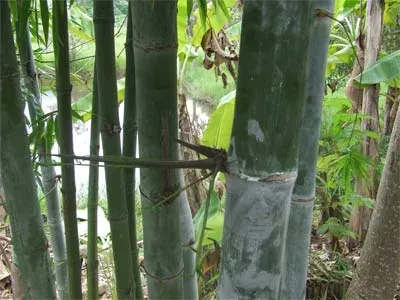
Dendrocalamus sericeus is a robust species of giant clumping bamboo belonging to the family Poaceae. Known for its distinct woody culms, it serves as a vital agricultural crop in its native tropical regions of Southeast Asia and the Himalayan foothills.
The plant thrives in warm, humid climates and is highly dependent on sufficient rainfall during its active growing season. It requires a stable tropical environment to reach its impressive height, often exceeding ten meters under optimal conditions.
Regarding soil requirements, this species favors deep, fertile, and well-drained loamy soils. It is particularly sensitive to waterlogging, as the root system requires adequate aeration to sustain the rapid growth rate of the emergent shoots.
Climatic factors are paramount, with the bamboo preferring temperatures ranging between 20°C and 35°C. Exposure to prolonged frost or extreme cold will significantly damage the vascular system and can prove fatal for the clump.
Agronomic management involves periodic thinning of the clumps to encourage the growth of new shoots. Proper spacing is essential to prevent overcrowding, which can otherwise lead to reduced vigor and increased susceptibility to environmental stress.
Main diseases and pests
The species is generally resistant to many common agricultural pests, but it can be affected by bamboo blight and various fungal pathogens if humidity remains excessively high without proper air circulation.
Insect pests, such as borers and sap-sucking insects, pose a threat to young, tender shoots. Integrated pest management strategies are recommended to mitigate these risks without resorting to harsh chemical applications.
Harvesting
The economic utility of Dendrocalamus sericeus is extensive, ranging from traditional construction and furniture manufacturing to the production of high-quality cellulose fibers used in the textile and paper industries.
Harvesting usually begins when the culms have reached maturity, typically occurring between 5 to 7 years after the initial planting. Selective cutting is the standard practice, ensuring that the younger culms remain to support the clump's future growth.
Proper harvesting techniques require clean cuts to avoid damaging the rhizome system. Once harvested, the culms must be immediately treated for starch removal to prevent infestation by wood-boring beetles and decay-causing fungi.
Post-harvest management involves careful air-drying in shaded, well-ventilated areas to reduce the moisture content of the woody fibers, which enhances the durability and stability of the bamboo material for commercial applications.
Sustainability in harvesting is ensured by managing the plantation as a perennial resource, where the rate of extraction never exceeds the natural regenerative capacity of the established root clumps.