
Dendrocalamus longispathus
Dendrocalamus longispathus
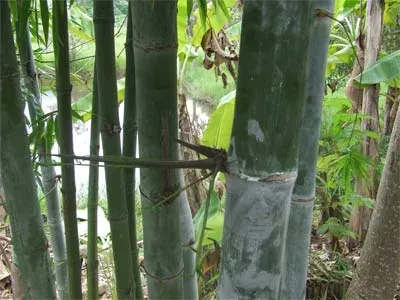
Description
Growing requirements
Dendrocalamus longispathus is a robust species of giant bamboo belonging to the Poaceae family. Known for its impressive size, this perennial grass can reach heights of 15–20 meters with a culm diameter often exceeding 10 centimeters.
Native to Southeast Asia, this species thrives in tropical and subtropical regions. It prefers high rainfall environments with a distinct monsoon pattern, which supports its rapid vertical growth and massive biomass production.
For successful cultivation, the crop requires deep, well-draining, and fertile alluvial soils. The plant is highly sensitive to waterlogged conditions, making site selection and soil drainage systems critical for establishing healthy plantations.
Temperature range is a vital factor, with the plant performing best between +20°C and +35°C. Exposure to extreme cold or prolonged frost can significantly damage the bamboo's internal structure and overall growth rate.
Agronomic management involves regular thinning of the clumps to promote the growth of newer, stronger culms. Proper spacing, typically 5x5 meters, ensures optimal light penetration and nutrient availability for each plant.
Yield
The economic value of this species is largely attributed to its industrial utility. The culms are extensively used in construction to build frames, scaffolding, and rural housing due to their high tensile strength.
In the paper and pulp industry, Dendrocalamus longispathus is highly sought after. Its long fiber content makes it an excellent source for producing high-quality paper and cardboard products.
The bamboo is also utilized in the handicraft and furniture sectors. Artisans value it for its durability, flexibility, and the ease with which it can be carved, shaped, and polished for household goods.
Young, succulent shoots are harvested as a nutritional food source in many cultures. These shoots are usually boiled to remove natural bitterness before being incorporated into a variety of culinary dishes.
Furthermore, the species plays a role in environmental restoration, as its dense root system helps stabilize soil on slopes and prevents erosion, making it an excellent crop for sustainable land management.
Main diseases and pests
Pest management is a primary challenge for bamboo farmers. Borers and other wood-inhabiting insects pose a serious threat, as they tunnel into the culms, causing significant structural degradation of the harvested material.
Fungal pathogens often flourish in poorly ventilated plantations with excessive humidity. These diseases can lead to rot at the base of the culms and leaf blight, which reduces the plant's overall vitality and biomass yield.
Aphids and various mite species frequently target the tender, emerging leaves. While they rarely kill mature plants, severe infestations can stunt the growth of young clumps and reduce the annual productivity of the plantation.
Competition from aggressive weeds is particularly problematic during the establishment phase. Effective weed control, including mulching or mechanical weeding, is necessary to ensure the young bamboo reaches maturity without nutrient stress.
Finally, improper harvesting techniques can lead to the long-term decline of the grove. Cutting culms too close to the rhizome or at the wrong time of year can damage the reproductive capacity of the bamboo clump.