
Dendrocalamus latiflorus
Dendrocalamus latiflorus
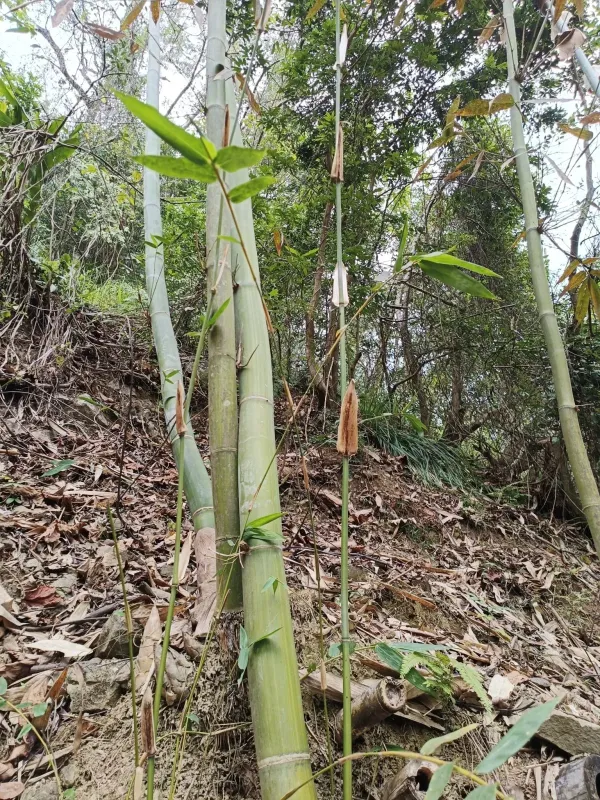
Description
Growing requirements
Dendrocalamus latiflorus, commonly known as the giant bamboo, is a notable species within the Poaceae family. Native to tropical regions of Southeast Asia, it is highly valued for its rapid growth rate and the massive timber it produces for various industrial applications.
This species thrives in humid tropical and subtropical environments where annual rainfall is abundant. It prefers temperatures between 20°C and 30°C for optimal development, showing little tolerance for frost or prolonged cold snaps which can hinder its growth cycles.
For successful cultivation, well-drained loamy or alluvial soils are essential. The pH levels should ideally range from 5.5 to 7.0, providing a nutrient-rich foundation for the extensive rhizome network that characterizes this bamboo species.
Propagation is primarily handled through vegetative methods such as culm cuttings or clump division. Planting usually occurs at the onset of the monsoon season, allowing the root systems to establish firmly in the soil before the onset of drier conditions.
Routine maintenance includes nitrogen-rich fertilization and mulching around the base. These practices help retain soil moisture and promote the rapid development of new shoots, which are crucial for the long-term productivity of the bamboo grove.
Yield
Dendrocalamus latiflorus is renowned for its high biomass production, making it a highly efficient industrial crop. A well-managed grove can produce substantial annual yields, which can be harvested sustainably without depleting the plant stock.
The culms are widely used in construction, flooring, and furniture manufacturing due to their durability and strength. Additionally, it serves as a critical raw material for the pulp and paper industry, offering an eco-friendly source of cellulose.
In many regions, the young shoots are harvested for human consumption. These shoots are prized for their texture and nutritional content, provided they are harvested before the lignification process makes them too fibrous to process.
Industrial timber harvest typically begins when the culms reach the age of five to seven years. At this maturity level, the wood density is at its peak, ensuring that the harvested materials meet the necessary quality standards for international trade.
The sustainability of this crop is unmatched, as bamboo can regenerate indefinitely after harvest. This allows farmers to enjoy a continuous, multi-decade yield from a single planting, optimizing resource use and land management.
Main diseases and pests
Fungal diseases like leaf spot and rust are the primary biological threats, especially in areas with poor ventilation. Regular pruning of old or diseased culms is a key cultural practice to keep the grove healthy and productive.
Pests such as bamboo mites and various boring beetles can damage the internal structure of the culms. Effective monitoring and the removal of infested stalks are necessary to prevent these pests from spreading throughout the entire plantation.
Root rot, often caused by waterlogging, remains a significant threat to young plantations. Ensuring that the site has a natural slope or an artificial drainage system is vital for preventing the death of the bamboo clusters.
Wildlife damage, including browsing by animals, can affect the success of new sprouts. Installing physical barriers or fences is often required to protect young plants during their most vulnerable stage of establishment.
Integrated Pest Management (IPM) strategies are recommended to maintain the crop's health. By prioritizing natural predators and cultural sanitation, growers can minimize the need for chemical interventions, keeping the produce safe.