
Dendrocalamus membranaceus
Dendrocalamus membranaceus
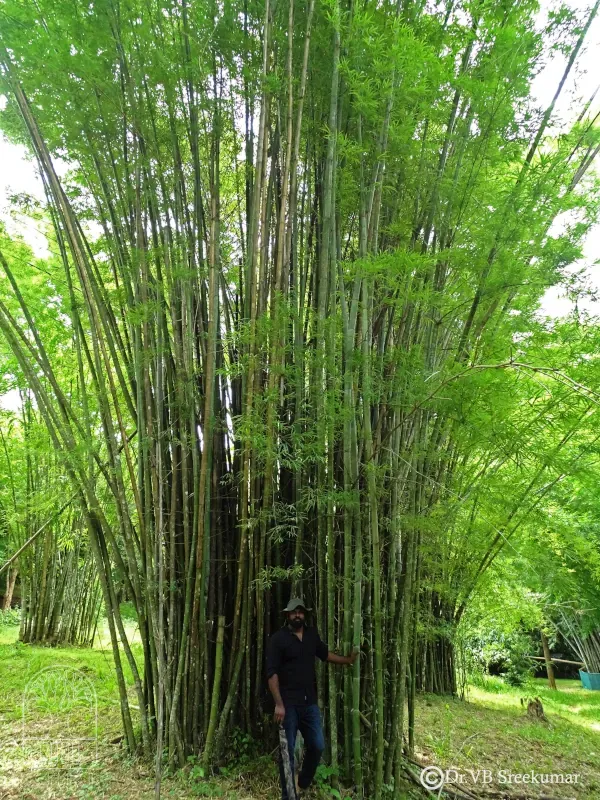
Description
Sowing dates
Dendrocalamus membranaceus is a giant tropical bamboo species belonging to the Poaceae family, known for its dense clumping growth habit.
Propagation is typically achieved through vegetative methods, such as culm cuttings or division of the rhizome clumps, which ensures genetic consistency.
Planting is best performed at the onset of the rainy season to allow the root system to establish itself before the arrival of the dry season.
Proper spacing between plants is crucial, as mature clumps can reach significant diameters and require ample space for ventilation and growth.
Preparing the planting site with organic compost and ensuring good drainage are fundamental steps to promote vigorous development in the first year.
Growing requirements
This species thrives in tropical climates characterized by warm temperatures and high levels of rainfall throughout the year.
It prefers well-drained, nutrient-rich soils that are slightly acidic or neutral, avoiding heavy waterlogged areas that may cause root rot.
Full sun exposure is highly recommended to achieve the maximum growth rate and to ensure the culms become dense and sturdy.
While mature plants are relatively resilient, protection from high-velocity winds is beneficial to prevent mechanical damage to the tall stalks.
Regular irrigation is essential in regions with a distinct dry season, although the species can handle short periods of water stress once mature.
Yield
Dendrocalamus membranaceus is highly valued for its versatile applications, including construction, furniture production, and pulp for paper making.
The young shoots are edible and represent a significant culinary resource, often harvested for local markets and processing industries.
Bamboo plantations of this species reach high levels of economic productivity within 5 to 7 years, depending on management intensity.
The strength-to-weight ratio of the culms makes them an excellent substitute for timber in various rural construction projects.
Environmental benefits, such as carbon sequestration and soil erosion control, provide additional value to cultivating this sustainable crop.
Main diseases and pests
Pest management for this bamboo primarily focuses on controlling mites and various boring insects that can compromise the structural integrity of the culms.
Fungal diseases, especially leaf blight and sheath rot, can occur during periods of high humidity and insufficient air circulation.
Integrated pest management strategies are recommended, emphasizing cultural practices like thinning and sanitation over chemical applications.
Rodents may occasionally feed on emerging shoots, requiring protective measures around the base of the clumps during the spring growth phase.
Regular monitoring of the plantation is essential to detect early signs of infestation and prevent the spread of localized disease outbreaks.
Harvesting
Selective harvesting of mature culms should be performed during the dry season, which enhances the wood's durability and resistance to pests.
When harvesting for food, young shoots should be cut shortly after emergence, before the development of tough fibers or leaves.
Care must be taken during the harvesting process to use sharp tools, ensuring clean cuts that do not damage the underlying rhizome system.
Post-harvest treatment, such as air-drying or heat treatment, is necessary to minimize internal moisture and improve the wood's preservation quality.
A well-planned harvesting cycle ensures long-term sustainability, allowing the bamboo stand to remain productive for several decades.