
Dendrocalamus calostachyus
Dendrocalamus calostachyus
Description
Growing requirements
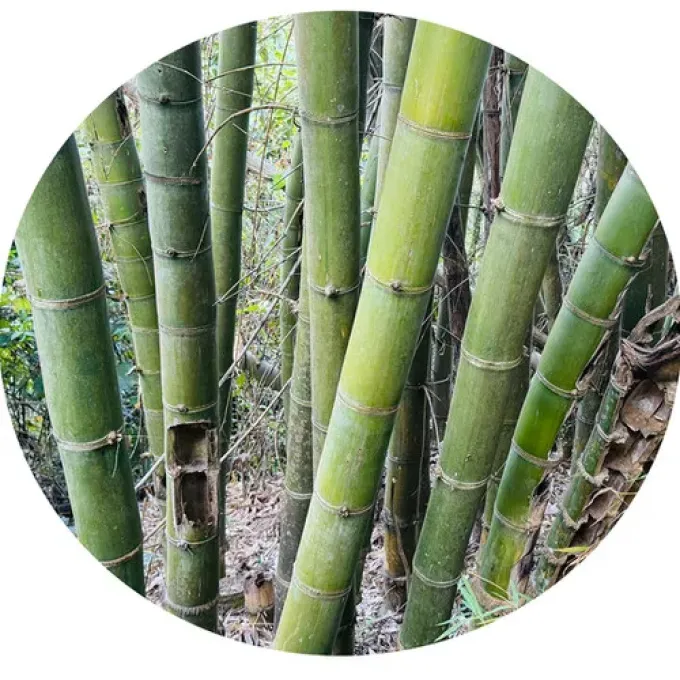
Dendrocalamus calostachyus is a member of the Poaceae family. This species is a large, perennial bamboo characterized by its woody, robust culms that form dense clusters, reaching substantial heights in tropical environments.
Native to Southeast Asia, specifically regions within India and Myanmar, this bamboo thrives in humid tropical forest habitats. It requires a climate with consistent high temperatures and significant annual rainfall to support its rapid vegetative growth.
The ideal soil for this species is deep, well-drained loam rich in organic matter. While it enjoys high humidity, it is intolerant of waterlogged soil conditions, making proper drainage systems essential for healthy stand establishment.
Regarding climate, this bamboo is strictly tropical. It lacks cold hardiness and is susceptible to damage from freezing temperatures, which necessitates cultivation in frost-free zones or controlled greenhouse environments.
Agrotechnical management includes regular irrigation during dry spells and consistent fertilization. Maintaining proper spacing between plants is crucial to ensure adequate airflow and prevent the development of microclimates that foster disease.
Yield
The primary economic use of this bamboo involves its culms, which are harvested for construction purposes. The stems are valued for their structural strength, flexibility, and durability in building lightweight frame structures.
The plant serves as a vital resource for the pulp and paper industry. Its high cellulose content makes it a sustainable source for producing high-quality paper products and bio-based textile fibers.
In local agricultural practices, the tender young shoots of this species are harvested for culinary use. They are traditionally processed to remove natural bitter compounds before being consumed as a nutritious vegetable.
The rapid growth rate of this bamboo species allows for frequent harvesting cycles. Once a stand reaches maturity, typically within a few years of planting, it can provide a sustained yield of biomass.
Beyond material production, this species is highly effective in land restoration projects, as its dense root systems help prevent soil erosion and improve the overall structure of tropical agricultural landscapes.
Main diseases and pests
Bamboos are frequently targeted by pests such as shoot borers and leaf-eating beetles, which can significantly damage young culms and reduce the overall commercial quality of the timber.
Fungal pathogens, particularly those causing leaf spot or rust, can thrive in poorly ventilated bamboo stands. These diseases weaken the plant and can lead to stunted growth if left unmanaged.
Effective management strategies include sanitation logging, where diseased or overly dense culms are removed. This process reduces the inoculum load of pathogens within the bamboo grove.
Integrated pest management, favoring biological controls and site-specific maintenance, is preferred over chemical interventions to maintain the natural health of the plantation environment.
Regular monitoring of the culm density and canopy health is vital for early detection of issues, ensuring that the plantation remains productive and resilient against seasonal environmental stressors.