
Dendrocalamus barbatus
Dendrocalamus barbatus
Description
Growing requirements
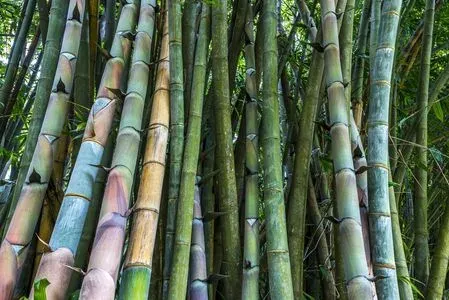
Dendrocalamus barbatus is a giant woody bamboo belonging to the Poaceae family. This species is known for its robust growth habit, forming dense, tall clumps that are characterized by thick-walled, highly durable culms, making it a valuable forestry and agricultural crop.
Native to the tropical regions of Southeast Asia, particularly southern China, this plant thrives in warm, humid climates. It requires consistent high temperatures throughout the year to maintain its rapid growth rate and high biomass production capacity.
The crop demands deep, fertile, and well-drained soils to prevent root rot. It is sensitive to waterlogging; therefore, slope planting or fields with effective drainage systems are essential for maximizing the yield and quality of the bamboo culms.
Climate management is crucial for the success of this species. It does not tolerate prolonged frost or cold spells. Protection from strong winds is also recommended to prevent physical damage to the fast-growing and somewhat brittle young shoots.
Agricultural practices involve regular application of organic matter and nitrogen-rich fertilizers to boost the vegetative development. Proper spacing between individual plants is necessary to allow sufficient light penetration and airflow within the bamboo stand.
Harvesting
Dendrocalamus barbatus is primarily utilized in the construction industry as a sustainable alternative to timber. Its high structural strength allows it to be used in scaffolding, flooring, roofing, and general structural building frameworks.
The culms are also extensively used for furniture manufacturing, handicraft production, and interior design elements. Its aesthetic appeal combined with extreme mechanical resistance makes it a sought-after material in eco-friendly architecture.
Harvesting is typically conducted using a selective cutting method. Harvesters select mature culms, usually between 3 to 5 years old, to ensure high material density and strength. This sustainable cycle encourages the plant to produce new, healthy shoots annually.
Post-harvest processing includes thorough drying and treatment with natural or chemical preservatives to enhance resistance against fungi and wood-boring insects. This ensures the longevity of the material in diverse environmental conditions.
The logistics of the harvest are focused on minimizing damage to the existing rhizome system. Careful handling during the extraction process is vital for the long-term productivity of the plantation, allowing for decades of sustained yield.