
Dendrocalamus pendulus
Dendrocalamus pendulus
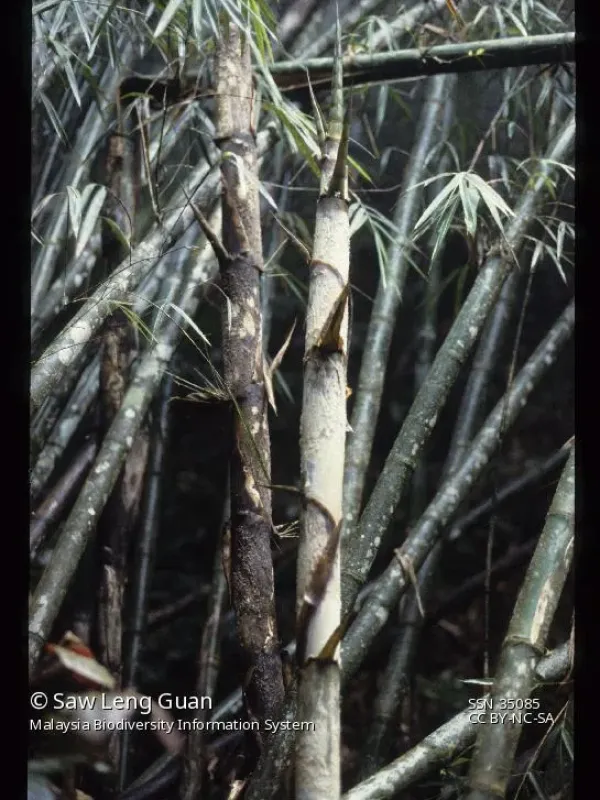
Description
Sowing dates
Propagation of Dendrocalamus pendulus in agricultural settings is primarily achieved through vegetative methods, such as rhizome cuttings or offsets.
The optimal time for planting is the onset of the rainy season, as high humidity and soil moisture levels are crucial for successful establishment.
Selected healthy rhizomes are planted in prepared pits, typically 60x60x60 centimeters, ensuring the roots have sufficient space to expand comfortably.
Proper spacing is vital, with a minimum distance of 5 meters between individual plants to prevent overcrowding as the bamboo clump matures and expands.
Immediate irrigation after planting and the application of organic mulch are essential practices to maintain moisture and protect the root system from drying.
Growing requirements
Dendrocalamus pendulus belongs to the Poaceae family and is recognized as a robust, tree-like bamboo species adapted to tropical and subtropical climates.
It thrives in fertile, well-drained loamy soils, showing significant intolerance to waterlogged areas or heavy, compacted soil types that restrict root growth.
The species requires a stable temperature range, ideally between 20 and 32 degrees Celsius, and it cannot survive in frost-prone or cold environmental conditions.
High relative humidity is a key environmental requirement for healthy development, mirroring the climate of its native forest habitats in Southeast Asia.
The plant performs best in sheltered locations protected from strong, drying winds, which can damage the long, flexible stems and tender new shoots.
Yield
The yield of a Dendrocalamus pendulus plantation is highly dependent on consistent management practices and the age of the established bamboo clumps.
Maximum productivity is generally reached between the seventh and tenth years, providing a sustainable source of biomass for various industrial applications.
The stems are highly valued for their structural strength and flexibility, making them suitable for high-quality furniture, construction, and handicraft production.
Strategic thinning and the removal of mature, older stems significantly improve the vigor of the clump and promote the production of new, strong shoots.
Fertilization with nitrogen-rich compounds during the peak growth period helps maintain high yield levels and ensures the longevity of the plantation.
Main diseases and pests
Small mammals and rodents are common pests that may feed on the tender, nutrient-rich young shoots, potentially causing significant growth setbacks.
Root rot, often caused by fungal pathogens in poorly drained soil, is a critical threat that can lead to the rapid decline and death of the entire clump.
Leaf-feeding insects and mites can become a major concern in humid environments, necessitating careful monitoring to prevent large-scale foliage loss.
Various foliar diseases, including leaf spot, can appear under conditions of poor air circulation and excessive moisture, requiring preventative measures.
Integrated pest management, including regular field inspections and site sanitation, is essential for maintaining the health of the bamboo crop.
Harvesting
Harvesting is performed selectively, with farmers targeting only those stems that have reached the necessary level of lignification and structural maturity.
Stems between three and five years old are typically considered optimal for harvest, as they possess the best physical properties for heavy-duty use.
Cutting should be performed clean and close to the ground to ensure the health of the rhizome and to prevent potential sites for pest or disease entry.
Post-harvest treatment involves the removal of branches and gradual drying under shade to ensure the stems do not crack or deform during seasoning.
Careful handling and storage of the harvested material are paramount to preserving the integrity of the bamboo fibers for commercial distribution.