
Dendrobium uniflorum
Dendrobium uniflorum
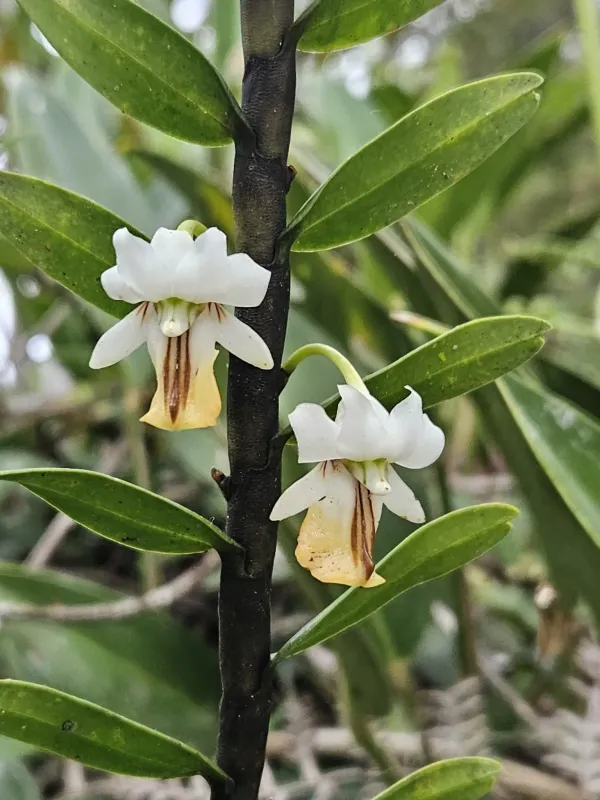
Description
Growing requirements
Dendrobium uniflorum is a species of epiphytic orchid belonging to the Orchidaceae family. Naturally occurring in the tropical rainforests of Southeast Asia, this species primarily grows on tree trunks where high humidity and moderate light levels prevail throughout the year.
The botanical structure of this orchid is sympodial, characterized by slender pseudobulbs that produce leathery leaves. The flowers are typically produced singly or in small groups, which is reflected in its taxonomic name, and they are noted for their delicate and pleasant fragrance.
To successfully cultivate this species, growers must provide high ambient humidity, ideally between 70% and 80%. Proper air circulation is mandatory; without it, the risk of fungal proliferation on the foliage and root system increases significantly under high humidity conditions.
The substrate must be highly porous, consisting primarily of fir bark, perlite, and charcoal to prevent root suffocation. Because it is an epiphyte, the root system requires rapid drainage and consistent access to oxygen, making frequent waterlogging a major danger to the plant.
Temperature management is critical for the developmental cycle of Dendrobium uniflorum. The plants thrive in warm temperatures during the day with a mandatory cooler night period of approximately 5–7 degrees Celsius to trigger natural growth rhythms and eventual blooming.
Main diseases and pests
Common pests affecting this orchid include spider mites and mealybugs. These insects can quickly colonize the tight spaces between pseudobulbs and leaf axils, necessitating frequent inspections and the use of appropriate contact or systemic insecticides to maintain plant health.
Fungal rots, specifically those caused by Phytophthora or Pythium species, are the most devastating threats. These pathogens often thrive when the plant is kept in overly damp conditions combined with poor airflow, leading to rapid tissue death starting from the base of the stems.
Bacterial soft rot is another concern, often appearing as water-soaked lesions that spread quickly. Immediate mechanical removal of the affected tissue followed by sterilization of the tools and application of bactericides is necessary to salvage the specimen.
Improper fertilization regimes can lead to tip burn or salt accumulation in the substrate. Over-fertilization stresses the plant, reducing its innate ability to fight off opportunistic pathogens and making it more susceptible to pest infestations over time.
Regular sanitation of the growing environment is the best preventive measure against recurring threats. Ensuring that all tools are disinfected and that dead organic matter is removed from the pots significantly reduces the incidence of soil-borne diseases and protects the integrity of the orchid collection.