
Dendrobium aclinia
Dendrobium aclinia
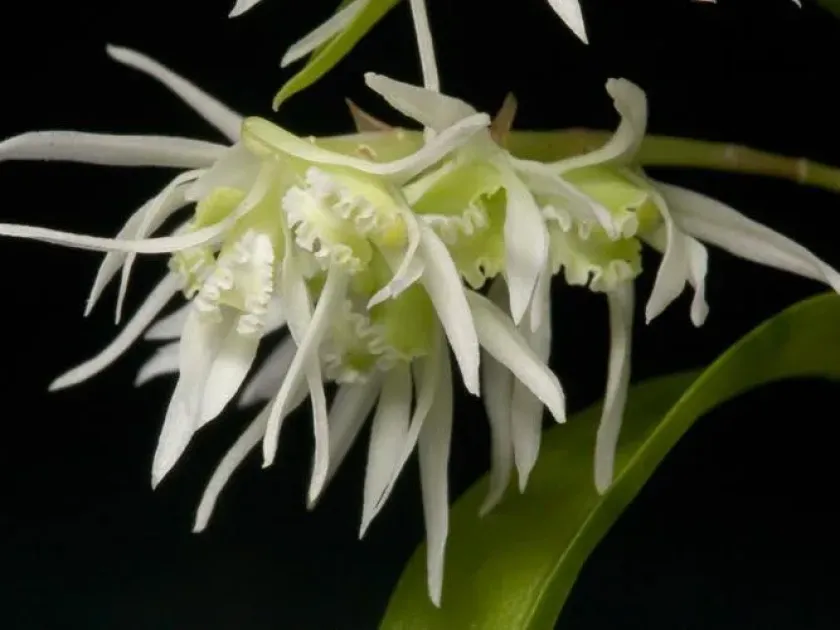
Description
Growing requirements
Dendrobium aclinia is a distinct orchid species belonging to the Orchidaceae family. Naturally occurring in the tropical rainforests of Southeast Asia, it functions as an epiphyte, attaching itself to the bark of trees in humid, shaded environments.
Successful cultivation of this crop requires strict adherence to environmental parameters. The plant thrives in conditions that mimic tropical warmth, typically requiring temperatures between 20°C and 25°C during the day and slightly cooler nights.
Lighting management is essential for the health of the plant. It requires bright, indirect light; therefore, greenhouse cultivation usually involves light shading to prevent leaf scorching while ensuring enough energy for photosynthesis.
The growing medium for Dendrobium aclinia must provide excellent drainage. A substrate consisting primarily of pine bark, charcoal, and moss is recommended to ensure that air circulates freely around the roots, preventing suffocation.
Watering techniques are crucial for avoiding root rot. Irrigation should be applied when the substrate is nearly dry, ensuring that the roots are hydrated without being continuously waterlogged, which is a major agronomic challenge.
Main diseases and pests
Pest management focuses primarily on controlling spider mites and mealybugs. These insects can quickly overwhelm the plant by feeding on the sap, leading to stunted growth and yellowing of the leaves.
Pathogenic threats include various root rots, often caused by stagnant moisture and poor air circulation. These diseases are difficult to treat once established, necessitating a focus on preventative measures.
Sanitation plays a significant role in disease prevention. Using sterilized potting tools and removing old, decayed substrate helps minimize the presence of harmful fungal spores in the growing environment.
Integrated pest management strategies should be employed, prioritizing biological control agents to keep pest populations at bay without harming the delicate floral structure of the orchid.
Proper environmental control, specifically humidity management, acts as a primary defense against physiological stress, which often makes the orchid more susceptible to opportunistic infections and pests.