
Dendrobium affine
Dendrobium affine
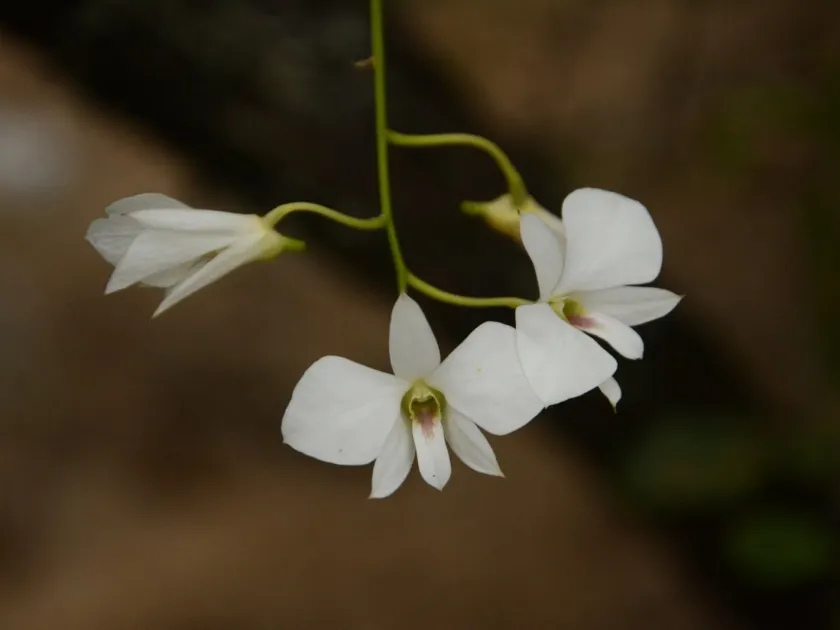
Description
Growing requirements
Dendrobium affine is a perennial epiphytic species belonging to the Orchidaceae family. Naturally occurring in the tropical coastal regions of Australia, Indonesia, and various Pacific islands, it is well-adapted to warm and humid maritime environments.
The plant exhibits a sympodial growth habit, characterized by the development of clusters of pseudobulbs. These structures are vital for water storage, allowing the orchid to thrive in niches where moisture levels fluctuate significantly throughout the year.
For successful cultivation, Dendrobium affine requires high light levels, typically found in sunny greenhouse locations. Ambient temperatures should ideally range between 22°C and 28°C, providing the plant with the thermal energy needed for robust metabolic activity.
The choice of substrate is essential; it must be highly porous to ensure efficient drainage. A mixture containing coarse pine bark, charcoal, and perlite is recommended to prevent waterlogging, which is a primary cause of root failure in this species.
Effective management includes a distinct watering schedule. Active growth phases require frequent watering to keep the roots hydrated, while the winter dormancy period necessitates a reduction in moisture to induce the development of vibrant inflorescences.
Main diseases and pests
Pathogenic threats primarily include fungal rot and bacterial leaf spot, which are often exacerbated by poor air circulation. Proper ventilation systems are required to maintain a healthy microclimate and prevent the proliferation of harmful microorganisms.
Common pests affecting Dendrobium affine include spider mites and mealybugs. Integrated pest management strategies, involving both regular manual inspection and the application of biological or chemical control agents, are crucial for maintaining plant health.