
Dendrobium alaticaulinum
Dendrobium alaticaulinum
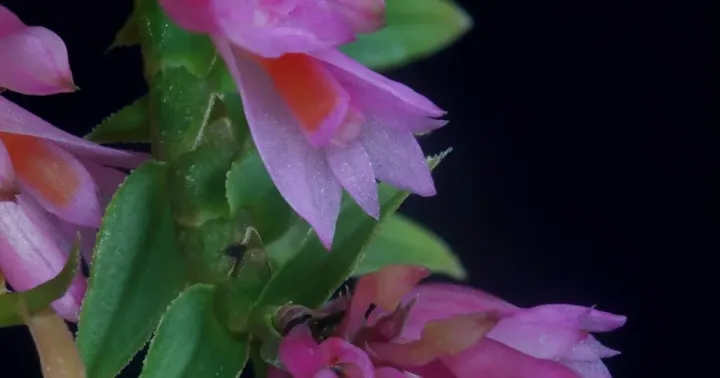
Description
Growing requirements
Dendrobium alaticaulinum is a fascinating species of epiphytic orchid belonging to the Orchidaceae family. It originates from the high-altitude cloud forests of Indonesia and New Guinea, where it thrives in cool, humid environments.
Botanically, it is distinguished by its unique winged stems, which give the species its scientific name. These structures serve as storage for water and nutrients, adapting the plant to survive in its natural canopy habitat where water availability can be sporadic.
Cultivation requires replicating these high-altitude conditions. Ideally, the plant should be mounted on a wooden slab or grown in a well-draining basket filled with coarse orchid bark and charcoal to ensure maximum airflow to the roots.
Climate requirements include a moderate temperature range with a noticeable drop at night to trigger blooming. High humidity (between 70% and 80%) is essential, and the growing area should have constant air circulation to prevent stagnation.
Watering should be performed consistently, allowing the substrate to dry slightly between sessions. During the growing season, a dilute orchid fertilizer should be applied to support the development of new stems and vibrant foliage.
Main diseases and pests
The primary threats to the health of this orchid include root rot and fungal infections, which are often caused by poor drainage or excessive moisture in the root zone. Ensuring the potting medium remains loose is the best preventive measure.
Insect pests, such as mealybugs and scale insects, frequently pose a challenge by feeding on the sap of the orchid. These pests can rapidly multiply in dry, stagnant conditions, leading to damage to the stems and leaves.
Integrated pest management involves physical removal of insects combined with systemic insecticides if the infestation is severe. Always ensure the product used is safe for sensitive orchid tissues to avoid chemical damage.
Fungal issues such as leaf spot require improved ventilation and the use of specialized fungicides. It is recommended to keep the area around the plants clean, removing any dead organic matter that could harbor spores.
Preventive maintenance, including regular inspection of the undersides of the leaves and pseudobulbs, helps in identifying potential problems early. Maintaining the correct environmental balance is the most effective defense against plant diseases.