
Dendrobium aberrans
Dendrobium aberrans
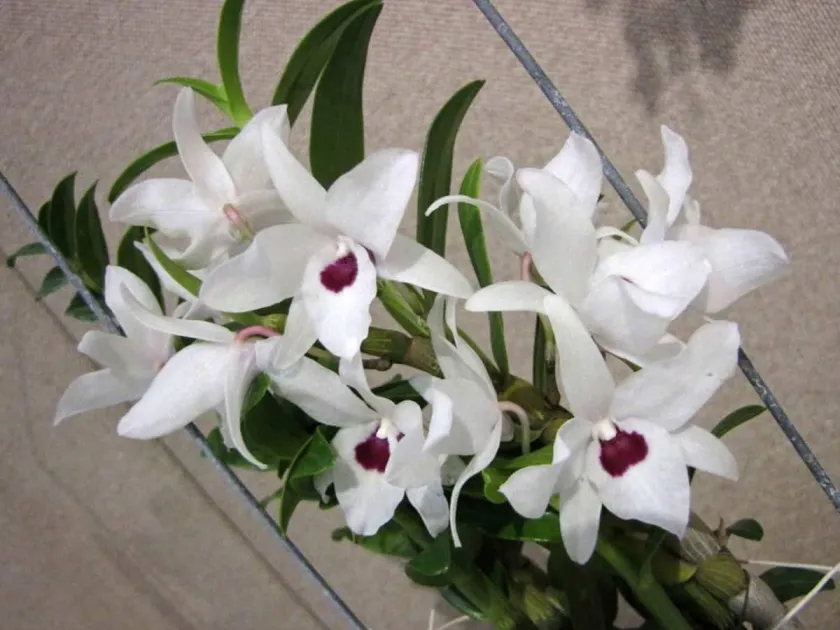
Description
Growing requirements
Dendrobium aberrans is a miniature epiphytic orchid belonging to the Orchidaceae family. Native to the tropical rainforests of Papua New Guinea, this species thrives in high-humidity environments, growing attached to tree branches where it receives filtered light.
Successful cultivation requires high humidity levels, ideally maintained between 60 and 80 percent. Adequate air circulation is crucial to prevent fungal infections, especially during periods of high moisture, making airflow management a priority for greenhouse or indoor growers.
The plant prefers an intermediate temperature range, with daytime highs around 20–25 degrees Celsius and cooler nighttime temperatures. This thermoperiodic difference is essential for the plant to successfully undergo its metabolic cycles and produce healthy floral spikes.
Potting media should consist of small-grade conifer bark, charcoal, and a small amount of sphagnum moss to balance moisture retention and aeration. Because of its miniature size, the root system is delicate and prone to stress if the potting substrate becomes too compacted.
Lighting should be bright but indirect to protect the foliage from scorching. Providing a stable light source for 10–12 hours per day ensures optimal vegetative growth and increases the likelihood of consistent blooming in controlled environments.
Main diseases and pests
Root rot remains the most common physiological disorder, usually triggered by overwatering or poor drainage within the pot. Growers must ensure the substrate dries slightly between waterings to prevent the development of root-choking pathogens.
Common pests include spider mites and scale insects, which often thrive in indoor conditions with low air humidity. Integrated pest management, including regular inspection and the use of insecticidal soaps or oils, is recommended for maintaining plant health.