
Dendrobium transparens
Dendrobium transparens
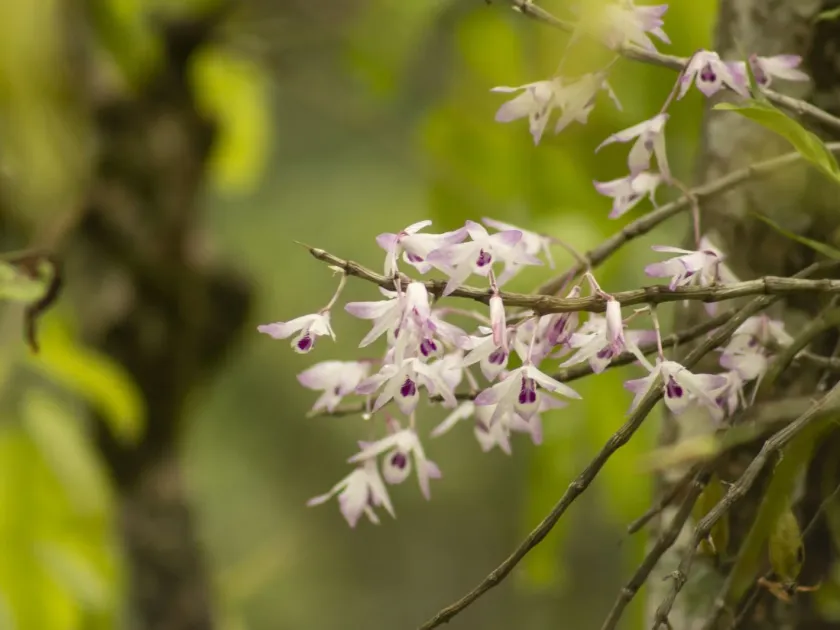
Description
Growing requirements
Dendrobium transparens is an epiphytic species belonging to the Orchidaceae family. Native to the Himalayan region and parts of Southeast Asia, it typically inhabits humid tropical forests at moderate to high altitudes.
The cultivation of this orchid requires precise climate control, particularly regarding humidity levels which should remain high throughout the growing season. Maintaining a temperature differential between day and night is essential to trigger healthy growth cycles.
Substrate management is crucial for the survival of this species. It should be grown in a specialized orchid mix composed of pine bark, charcoal, and perlite to ensure rapid drainage and prevent root suffocation, which is a common cause of failure in domestic conditions.
Light exposure for this plant must be bright but filtered. Prolonged exposure to intense direct sunlight can lead to leaf yellowing and tissue damage, while insufficient light levels may result in the failure to initiate flowering.
Commercially, this orchid is prized by collectors and professional nurseries for its delicate, fragrant flowers. It occupies a niche market within the ornamental horticulture sector, requiring expertise in epiphytic plant management to maintain its high aesthetic quality.
Main diseases and pests
Pests such as aphids and scale insects are primary threats to Dendrobium transparens. These insects sap the plant's vitality, and frequent monitoring is required to prevent large-scale infestations that could damage the pseudobulbs.
Fungal pathogens represent a significant risk, especially when air circulation is inadequate. Pathogens like Botrytis or various root rot fungi thrive in stagnant, humid environments, necessitating strict adherence to watering schedules and ventilation standards.