
Dendrobium subuliferum
Dendrobium subuliferum
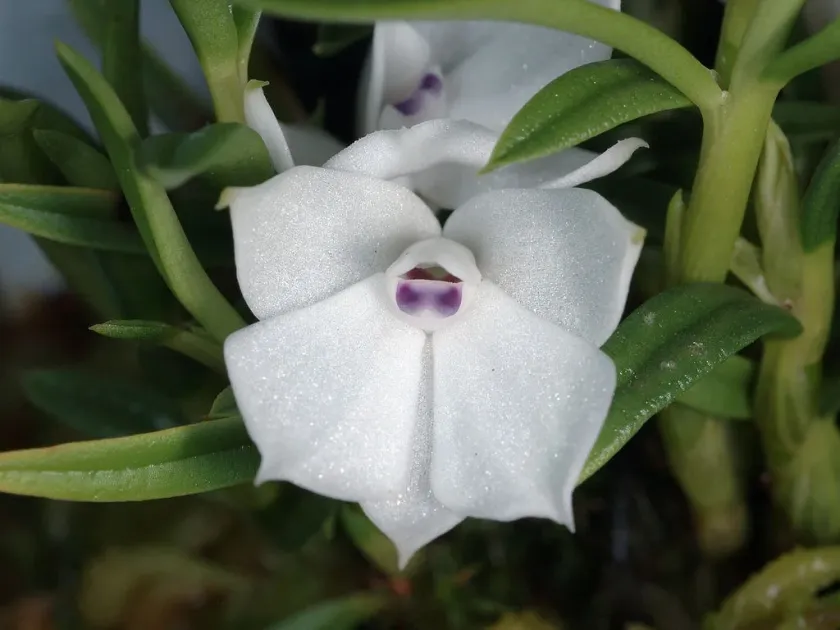
Description
Growing requirements
Dendrobium subuliferum is an epiphytic orchid belonging to the Orchidaceae family. This species is native to Papua New Guinea, where it naturally thrives in high-altitude, humid montane forest environments.
The plant requires a cool to intermediate temperature regime and high relative humidity, which are essential factors for successful growth. In cultivation, it demands consistent air circulation and protection from direct sunlight, preferring bright, filtered light conditions.
The potting medium must closely mimic natural conditions: a mix of conifer bark, charcoal, and sphagnum moss is commonly used to ensure optimal aeration of the root system and efficient drainage to prevent water stagnation.
During the active growing phase, the culture needs regular watering with soft water and the application of specialized orchid fertilizers with low salt concentrations. It is critical to prevent water from settling in the leaf axils to avoid rot of the vegetative parts.
Due to its rarity and specific ecological demands, this plant is primarily utilized in private collections and botanical gardens for preservation and specialized breeding programs.
Main diseases and pests
The primary threats to the plant's health are fungal and bacterial rots, which frequently develop due to poor ventilation and excessive moisture during the cooler months of the year.
Among pests, spider mites, scale insects, and mealybugs present the greatest risk, as they can rapidly infest plants in greenhouse or indoor environments with low air humidity.
Prophylactic measures include regular inspection of leaves and pseudobulbs, along with the application of systemic insecticides and fungicides at the first sign of infestation.
Adhering to strict quarantine procedures for newly acquired plants is a critical defense strategy to prevent the introduction of pests and diseases into an established collection.
Prolonged exposure to excessively high temperatures coupled with poor airflow inevitably leads to the degradation of the root system and a significant reduction in the plant's natural resistance to pathogens.