
Dendrobium speciosum
Dendrobium speciosum
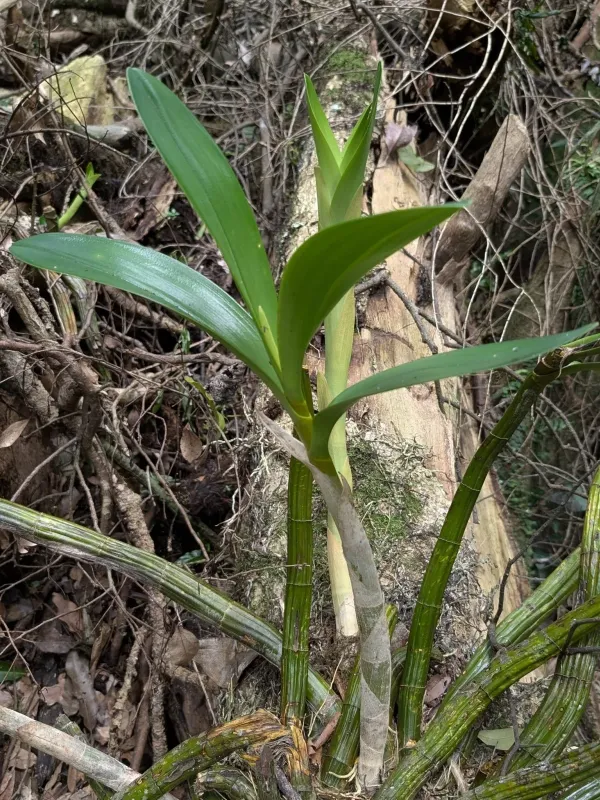
Description
Growing requirements
Dendrobium speciosum is a robust epiphytic or lithophytic plant belonging to the Orchidaceae family. It is widely recognized as one of the most resilient and spectacular orchid species native to the eastern coastal regions of Australia, exhibiting significant biological plasticity.
In its natural habitat, the plant thrives on rock faces and tree trunks, adapting to a wide range of light intensities. This botanical diversity means that agronomic practices must focus on mimicking its natural environment to ensure the healthy development of its characteristic swollen pseudobulbs.
Successful cultivation requires high levels of bright light, which is crucial for photosynthesis and floral induction. The root system is extremely sensitive to moisture retention, necessitating the use of a coarse, fast-draining medium typically composed of bark, charcoal, and perlite.
Temperature management is key to the life cycle of this plant; it requires a distinct period of lower temperatures during winter to successfully initiate flowering. Adequate ventilation is also essential to prevent stagnant air, which can lead to rapid physiological decline in indoor or greenhouse environments.
The primary economic use of this species is in the ornamental and horticultural trade, where it is highly valued for its large, fragrant racemes of flowers. It also serves as a critical parent species for numerous complex orchid hybrids, significantly contributing to the development of the commercial orchid market.
Main diseases and pests
The most common pathologies affecting this plant include fungal and bacterial rots, which usually occur due to poor air circulation and excessive humidity. Maintaining proper sanitation of the growing environment is the primary defense strategy against these harmful pathogens.
Pest management focuses on controlling sap-sucking insects such as aphids, scale insects, and spider mites. These pests thrive in suboptimal environmental conditions and can weaken the plant quickly; thus, regular monitoring and the application of targeted insecticides are essential for crop health.