
Dendrobium sladei
Dendrobium sladei
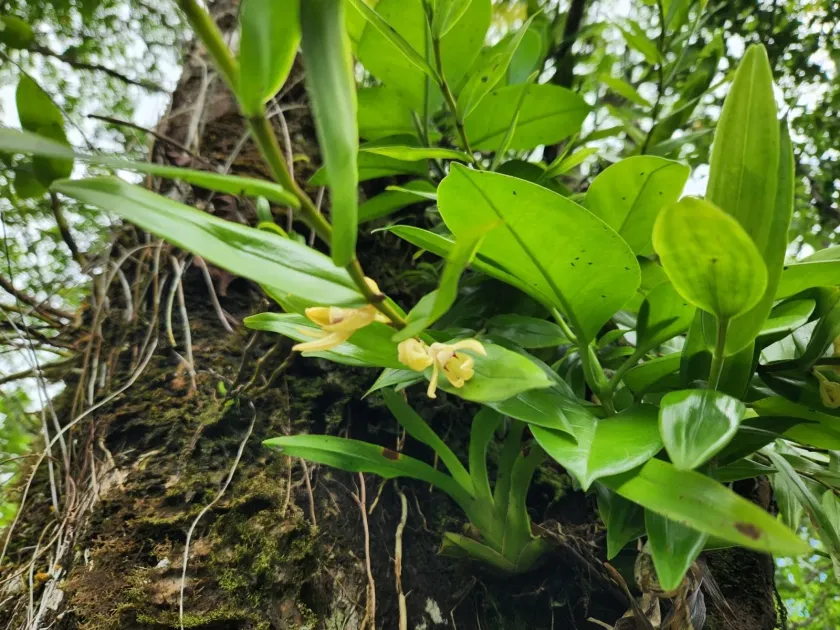
Description
Growing requirements
Dendrobium sladei is a fascinating orchid species belonging to the family Orchidaceae. As an epiphyte, this plant is naturally adapted to growing on trees in tropical regions, where it relies on atmospheric moisture and specialized root structures to obtain nutrients.
The botanical structure of the species is characterized by robust pseudobulbs that store water and nutrients, which is an evolutionary adaptation to the fluctuating availability of water in its native habitat. The leaves are typically thick and leathery, designed to minimize water loss.
In cultivation, Dendrobium sladei requires bright, indirect light to thrive. Exposure to direct midday sun should be avoided to prevent tissue damage. The ambient temperature should ideally stay between 18 and 25 degrees Celsius to mirror its original tropical environment.
The choice of substrate is critical for this species. A coarse mix of orchid bark, charcoal, and perlite is essential to ensure proper aeration. Roots need oxygen to stay healthy, and heavy, compacted soil will invariably lead to root suffocation.
Watering practices should follow the 'soak and dry' method. It is important to ensure the substrate is almost completely dry before the next watering session. During the dormant season, water intake should be significantly reduced to allow the plant to rest.
Main diseases and pests
Root rot remains the most significant threat to Dendrobium sladei, usually caused by overwatering or poor drainage. Once roots begin to decay, the plant struggles to transport water, leading to dehydration and eventual death.
Pests such as scale insects and spider mites are common problems in indoor environments. These insects thrive in dry conditions and can quickly colonize the underside of leaves and along the stems if left unchecked.
Fungal pathogens often manifest as dark, sunken spots on leaves, triggered by high humidity combined with stagnant air. Increasing air circulation around the plant is the most effective preventative measure against these threats.
Nutrient deficiency or toxicity can occur if the pH balance of the growing medium shifts significantly. Using balanced, orchid-specific fertilizers at a quarter of the recommended strength is generally considered the safest approach.
Monitoring for any signs of stress, such as yellowing leaves or wrinkled pseudobulbs, allows for early intervention. Prompt action ensures that the plant remains healthy and resilient throughout its growth cycle.