
Dendrobium senile
Dendrobium senile
Description
Growing requirements
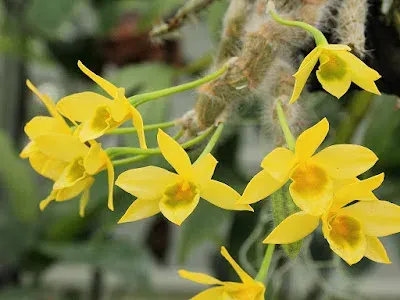
Dendrobium senile is a distinctive species of epiphytic orchid within the Orchidaceae family, native to the mountainous forests of Southeast Asia, including Thailand and Laos. It is highly valued by collectors for its unusual stem appearance covered with long, white, hair-like structures.
This species thrives in high-altitude environments where it benefits from high humidity and consistent air movement. In cultivation, it performs best when mounted on cork bark or grown in baskets with a very open, airy substrate that allows the roots to dry rapidly between waterings.
Light intensity is a critical factor for the healthy development of this orchid. It requires bright, indirect light throughout the year to support its growth cycle, although harsh midday sunlight should be filtered to prevent damage to its sensitive stems.
Temperature management involves a clear distinction between the growing and dormant seasons. During the active growth period, it prefers moderate tropical temperatures, while a distinct cooling period during the winter months is essential to trigger blooming and ensure longevity.
Watering practices must be carefully monitored. During the peak of the growth season, the plant should be watered frequently, ensuring the roots remain hydrated. In contrast, the winter period requires significantly less moisture to prevent rot while the plant is resting.
Main diseases and pests
The most common threat to Dendrobium senile is root rot caused by poor drainage or excessive water retention in the substrate. Given its epiphytic nature, any signs of stagnant water around the root zone must be avoided to keep the plant vigorous.
Spider mites are a persistent pest, particularly when ambient humidity levels drop too low. These insects can quickly colonize the stem area, sucking nutrients from the plant and causing visible stress, which often manifests as yellowing or wilting.
Mealybugs are also problematic due to their ability to hide within the dense, hair-like covering of the stems. Their presence can lead to stunted growth and the spread of secondary infections such as sooty mold on the plant surface.
Fungal leaf spot diseases can occur if there is insufficient air circulation in the growing space. Such conditions allow pathogens to flourish, leading to unsightly blemishes and potential structural damage to the stems over time.
Proactive pest control and maintaining a clean, well-ventilated growing environment are essential strategies. Utilizing horticultural soap or specialized systemic insecticides can effectively manage infestations while preserving the unique aesthetic of the plant.