
Dendrobium secundum
Dendrobium secundum
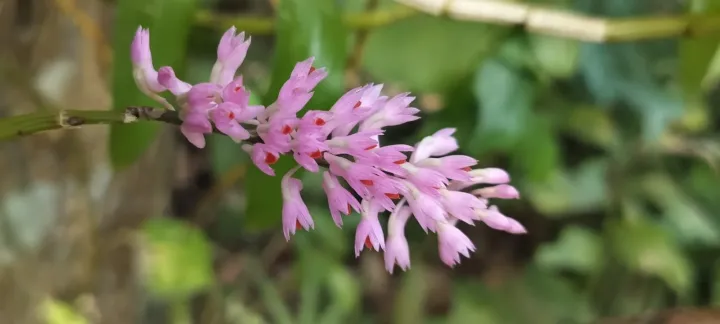
Description
Growing requirements
Dendrobium secundum is an epiphytic orchid belonging to the Orchidaceae family. It is native to the tropical regions of Southeast Asia, thriving in environments with consistent rainfall and warm temperatures throughout the year.
This orchid requires bright, indirect sunlight to perform photosynthesis efficiently. Placing it near an east or west-facing window is ideal, as direct noon sun can easily damage the foliage of this species.
The ideal temperature range is between 22°C and 28°C during the day, with a cooler night cycle necessary to trigger flowering. It cannot tolerate freezing temperatures, as it is a strictly tropical plant.
A well-draining substrate is mandatory, as this plant does not tolerate standing water. A mixture of fir bark, perlite, and charcoal is widely used to mimic the natural conditions of tree bark surfaces.
Humidity levels should remain consistently high, ideally around 70%. In indoor conditions, using a humidifier or placing the pot on a humidity tray with pebbles and water can significantly improve plant health.
Main diseases and pests
Common pests include scale insects and aphids, which often hide under leaves or along the pseudobulbs, draining sap and weakening the plant structure over time.
Root rot is the most significant threat caused by overwatering or using a substrate that breaks down too quickly. Once the root system is compromised, the plant struggles to uptake necessary nutrients.
Fungal infections, such as Botrytis or leaf spotting, often appear when the plant is kept in stagnant, humid air without adequate movement, necessitating better ventilation.
Integrated pest management, including regular inspection and the use of neem oil or insecticidal soaps, is recommended for maintaining a healthy orchid collection without harsh chemicals.
Providing optimal air circulation is the best preventive measure against both pests and fungal pathogens, as it prevents moisture from settling on the plant tissues for too long.