
Dendrobium samoense
Dendrobium samoense
Description
Growing requirements
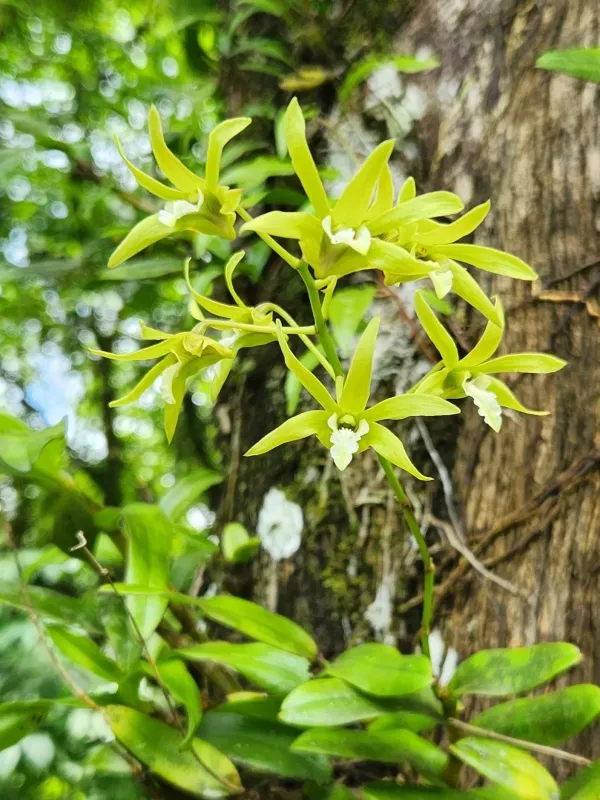
Dendrobium samoense is a distinct epiphytic species belonging to the Orchidaceae family. Native to the tropical environments of the Pacific Islands, this plant is highly valued for its unique growth patterns and delicate flowering cycle.
This crop thrives in conditions that mimic its natural canopy habitat, requiring consistent warmth and high levels of atmospheric humidity. Maintaining a stable humidity range of 60% to 80% is essential for healthy foliage development.
Regarding light requirements, this orchid prefers bright, filtered sunlight. Excessive exposure to direct radiation should be avoided to prevent thermal stress, while insufficient light may result in leggy growth and a lack of flowering.
The growing medium must provide excellent drainage and aeration. A mixture composed of coniferous bark, charcoal, and sphagnum moss is recommended to support root health and prevent compaction of the substrate around the delicate root system.
Optimal temperature management involves maintaining a daytime temperature of 20°C–28°C, complemented by a slight nocturnal drop. This temperature variation is critical for initiating flowering processes and maintaining the biological rhythm of the plant.
Main diseases and pests
Pest management is a core component of Dendrobium cultivation. Common threats include spider mites and aphids, which are particularly active in environments with poor air circulation and low humidity levels.
Fungal pathogens represent the most significant risk to root integrity. Root rot often occurs when irrigation is excessive, leading to waterlogged conditions where pathogens like Phytophthora can proliferate rapidly.
Bacterial soft rot can occur if moisture remains trapped in the leaf axils for extended periods. Promoting good airflow around the plants and avoiding overhead watering are effective methods for mitigating this specific threat.
Viral infections, which can manifest as mosaic patterns on the foliage, are a major concern for orchid health. Since these are untreatable, preventing contamination through rigorous tool sanitation is mandatory for all professional growers.
Maintaining a balanced nutritional program and monitoring plant vigor helps in building natural resistance against minor infestations. Proactive scouting remains the most effective tool in the agronomist's arsenal for disease control.