
Dendrobium rupestre
Dendrobium rupestre
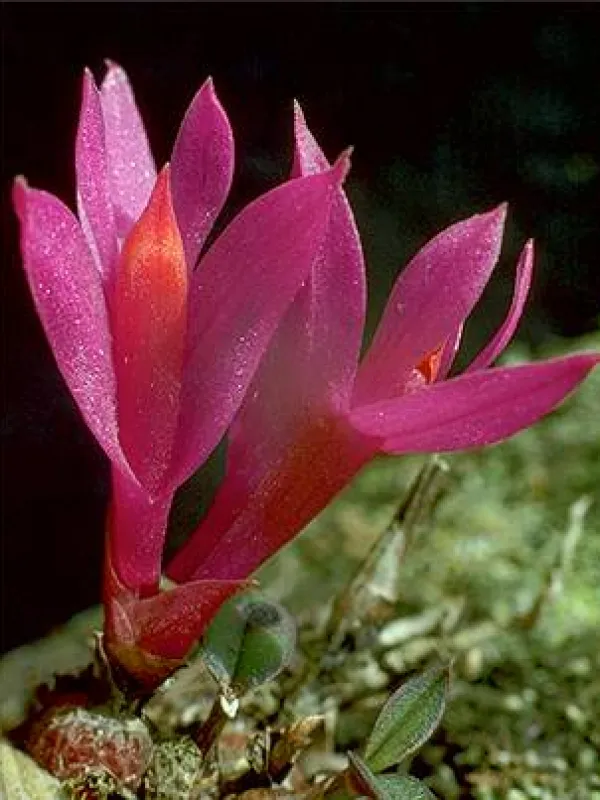
Description
Growing requirements
Dendrobium rupestre belongs to the Orchidaceae family and is an epiphytic species native to Australia. Its natural habitat is characterized by rocky outcrops and high-altitude cliffs where the plant grows in narrow crevices.
To successfully cultivate this species, it is essential to provide bright, indirect light conditions. The plant is adapted to high light exposure, but domestic conditions often require careful screening to prevent leaf damage during peak hours.
The substrate must be highly aerated and inorganic-heavy, mirroring its natural cliff-side life. Orchid bark mixed with pumice or perlite provides the necessary drainage to prevent the roots from remaining wet for too long.
A distinct temperature drop between day and night is a prerequisite for successful blooming. This physiological trigger simulates the mountain environment and encourages the plant to set its flower buds during the appropriate season.
Horticultural use is primarily restricted to orchid enthusiasts and conservation collections. The species is highly valued for its robust morphology and its ability to thrive in specialized epiphyte-focused greenhouse setups.
Main diseases and pests
Root rot is the most significant threat to Dendrobium rupestre, caused primarily by overwatering and poor air circulation. Once the root system is compromised by pathogens like Pythium, the plant quickly declines.
Spider mites are common pests that thrive in the dry, warm air of indoor cultivation. They cause chlorotic spots on the leaves and can severely impact the plant’s photosynthetic capacity if left untreated.
Scale insects frequently target the stems and leaf bases, weakening the plant by sap-sucking. Regular inspection and the use of horticultural oils or systemic insecticides are necessary to manage such infestations.
Fungal leaf spot infections can emerge if the environment lacks proper ventilation. Keeping the leaf surfaces dry and ensuring constant airflow are critical preventative measures against these common orchid diseases.
Proper hygiene is vital for maintaining healthy plants. Always use disinfected tools when pruning or repotting, and ensure that any new arrivals are quarantined before placing them with the existing collection.