
Dendrobium regale
Dendrobium regale
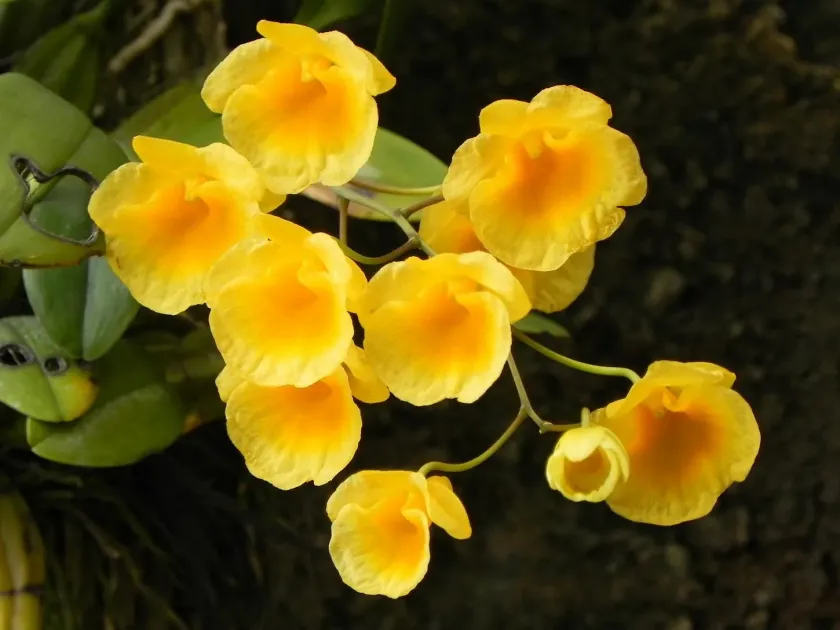
Description
Growing requirements
Dendrobium regale is a rare epiphytic species belonging to the Orchidaceae family, characterized by its unique growth pattern and aesthetic value. Native to tropical regions, this orchid thrives in high-humidity environments, typically attached to tree trunks or rocky substrates.
For agricultural cultivation, the substrate must mimic natural conditions, emphasizing excellent drainage and air circulation. A blend of high-quality coniferous bark, perlite, and dried sphagnum moss is recommended to prevent root asphyxiation and provide essential anchoring.
Temperature management is critical, requiring a diurnal variation to trigger flowering cycles. Ideally, the plants should experience daytime temperatures between 22 and 26 degrees Celsius, with a significant drop at night to support metabolic activity.
Humidity levels should be maintained consistently between 60 and 80 percent throughout the growing season. In indoor or greenhouse facilities, automated misting systems or evaporative cooling pads are often necessary to satisfy these moisture requirements.
Lighting must be intense but diffuse to mimic the light filtering through a forest canopy. Overexposure to direct sunlight can cause rapid dehydration and scorching, while insufficient light leads to weak, elongated growth and a complete lack of inflorescence.
Main diseases and pests
Common pests include spider mites and scale insects, which can severely damage plant tissues by extracting sap. Integrated pest management programs, including the use of biological control agents, are effective in maintaining healthy plant populations.
Fungal pathogens such as Fusarium wilt and Botrytis cinerea are significant threats during periods of high humidity and poor ventilation. Providing continuous airflow within the growing area is a primary preventive measure against these fungal outbreaks.
Bacterial soft rot, often triggered by moisture pooling in the leaf axils or base of pseudobulbs, can be fatal. Any signs of rot require immediate isolation of the plant and sterile surgical removal of the affected tissues to prevent the spread of the pathogen.
Root system health is highly sensitive to water quality and mineral buildup. Excessive irrigation with hard water leads to salt accumulation, which damages the fine roots and inhibits the plant's ability to absorb vital water and nutrients effectively.
Viral diseases represent an untreatable threat in orchid cultivation, typically spread through contaminated tools during propagation. Strict adherence to sanitation protocols, such as heat-sterilizing cutting equipment, is mandatory for every professional grower.