
Dendrobium pseudodichaea
Dendrobium pseudodichaea
Description
Growing requirements
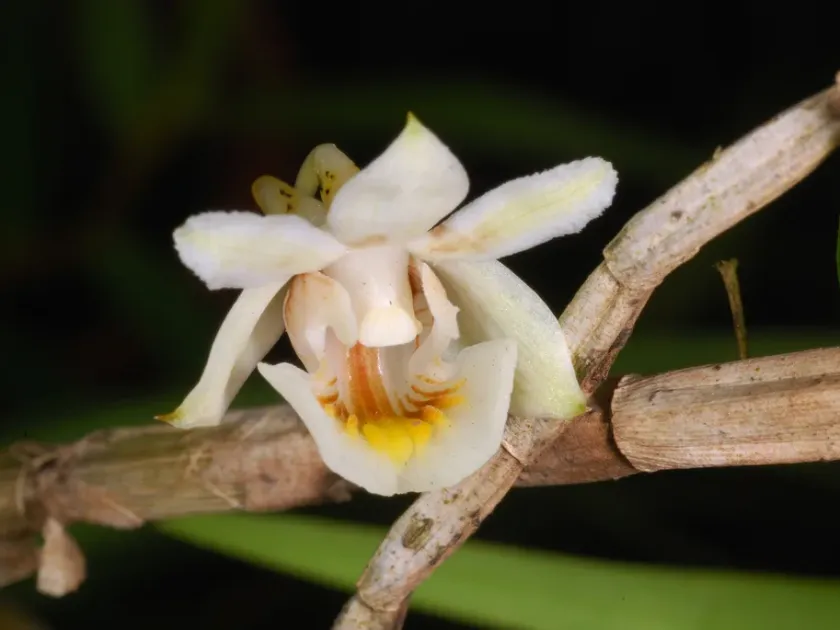
Dendrobium pseudodichaea is a fascinating orchid species belonging to the Orchidaceae family. Native to the tropical regions of Southeast Asia, this epiphyte thrives in high-humidity environments typical of rainforest canopies.
Botanically, this species is noted for its slender, elongated canes that support numerous small leaves arranged in a dense, distichous pattern. The overall appearance is quite distinctive, setting it apart from more common garden dendrobiums.
To cultivate this species successfully, growers must maintain high ambient humidity, ideally above 75 percent. Good air circulation is equally important to prevent stagnation and mimic the natural wind exposure the plant receives in the wild.
The preferred medium consists of small to medium-grade bark, charcoal, and perlite, which ensures rapid drainage and prevents the roots from remaining damp for too long. Repotting should be kept to a minimum, as these plants prefer to stay undisturbed.
The light intensity should be moderate, avoiding harsh direct exposure which can cause leaf yellowing. During the summer growing season, the plant benefits from regular fertilization with a diluted, balanced orchid fertilizer applied every two weeks.
Main diseases and pests
Common issues include fungal spotting and rot, which are primarily caused by insufficient air movement in the growing area. Ensuring a light breeze around the foliage is a key preventative measure for all indoor orchid setups.
Pest management involves regular inspection for aphids and mealybugs. If an infestation occurs, it is recommended to clean the plant manually with a cotton swab soaked in isopropyl alcohol before applying any specialized horticultural oils or soaps.