
Dendrobium officinale
Dendrobium officinale
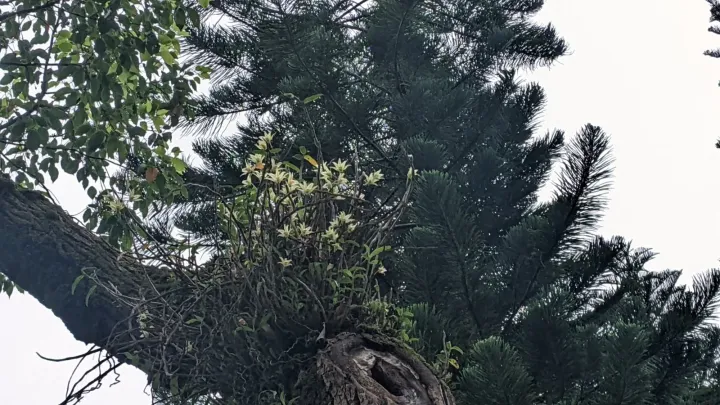
Description
Sowing dates
Propagation of Dendrobium officinale is primarily conducted via vegetative methods, such as dividing established clusters or using stem cuttings.
Large-scale commercial production often utilizes tissue culture (in vitro) to ensure the generation of pathogen-free planting material.
The planting substrate must be well-drained, consisting of pine bark, sphagnum moss, and charcoal to provide adequate aeration for the roots.
Proper sanitation protocols are essential during the transplanting phase to prevent the introduction of pathogens into the root zone.
Young plants require a period of careful acclimation to environmental conditions before being transferred to full-scale production cycles.
Growing requirements
As an epiphytic species belonging to the Orchidaceae family, this plant thrives in conditions that mimic its natural habitat.
Optimal growth requires temperatures ranging from 15 to 25 degrees Celsius with a distinct diurnal temperature fluctuation to stimulate health.
High relative humidity, ideally between 60% and 80%, is crucial for the metabolic activity and overall vigor of the orchid.
The plant requires bright but filtered light, as direct sun exposure can severely damage the leaves and reduce yields.
Irrigation should be managed carefully, allowing the substrate to dry out slightly between waterings to prevent root system suffocation.
Yield
The economic value of this crop is derived from its polysaccharide-rich stems, which are highly prized in pharmaceutical industries.
Yields are optimized by focusing on the growth of healthy, mature stems over a two to three-year cultivation period.
Balanced fertilization programs, tailored for orchids, are used to increase the accumulation of active phytochemical compounds.
Controlled environments allow for multiple harvest cycles per year if the climate and light regimes are strictly regulated.
Continuous monitoring of biomass development is necessary to determine the ideal timing for harvesting and processing activities.
Main diseases and pests
Pest management is focused on controlling common orchid threats such as spider mites, aphids, and scale insects in indoor environments.
Root rot and stem necrosis are the most prevalent diseases, usually caused by overwatering or poor ventilation systems.
Viral infections represent a significant risk and require rigorous inspection, as no effective chemical treatments currently exist.
Integrated pest management strategies involve the use of biological controls and selective treatments to protect crop integrity.
Maintenance of optimal airflow is the most effective preventative measure against the development of bacterial and fungal leaf spots.
Harvesting
Harvesting involves the selective cutting of mature stems that have reached the peak concentration of bioactive ingredients.
Post-harvest processing includes cleaning the stems and carefully drying them under controlled thermal conditions to maintain quality.
The dried stems are often graded based on size and texture before being distributed to traditional medicine or pharmaceutical markets.
Quality control standards are strictly applied to ensure that the final product meets the required purity and chemical composition levels.
Proper storage in moisture-controlled environments is critical to prevent degradation of the active medicinal compounds after processing.