
Dendrobium mirbelianum
Dendrobium mirbelianum
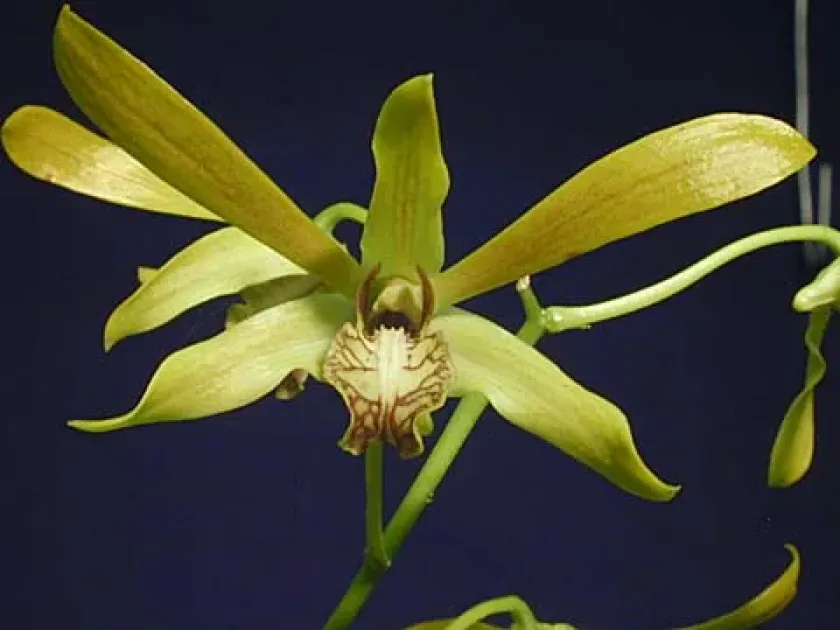
Description
Growing requirements
Dendrobium mirbelianum is a robust epiphytic orchid species belonging to the Orchidaceae family, natively found in the tropical environments of New Guinea and nearby islands.
This species thrives in high-humidity environments, requiring conditions that simulate a tropical rainforest with consistent ambient moisture levels throughout the growing cycle.
Effective cultivation relies on providing bright, filtered light to mimic the dappled shade of the forest canopy, preventing the heat-induced tissue damage of direct sunlight.
The planting medium must be highly porous and well-draining, typically consisting of premium pine bark, charcoal, and perlite to support the orchid's sensitive root system.
Watering protocols should prioritize a wet-dry cycle, ensuring the substrate dries slightly between waterings to prevent root asphyxiation and subsequent decay of the pseudobulbs.
Main diseases and pests
Common pests affecting Dendrobium mirbelianum include mealybugs and spider mites, which exploit the orchid's foliage during periods of low environmental airflow or stress.
The plant is susceptible to fungal pathogens such as leaf spot and root rot, often exacerbated by stagnant water sitting at the base of the stems or in the crown.
Effective pest management involves early detection of infestations on the undersides of leaves and using biological or chemical control agents when symptoms appear.
Maintaining proper hygiene by removing dead plant matter and ensuring good air movement are fundamental cultural practices to prevent the proliferation of rot-inducing fungi.
- Regular inspection of the roots
- Proper drainage maintenance
- Quarantine of new plants
- Balanced fertilization