
Dendrobium lineale
Dendrobium lineale
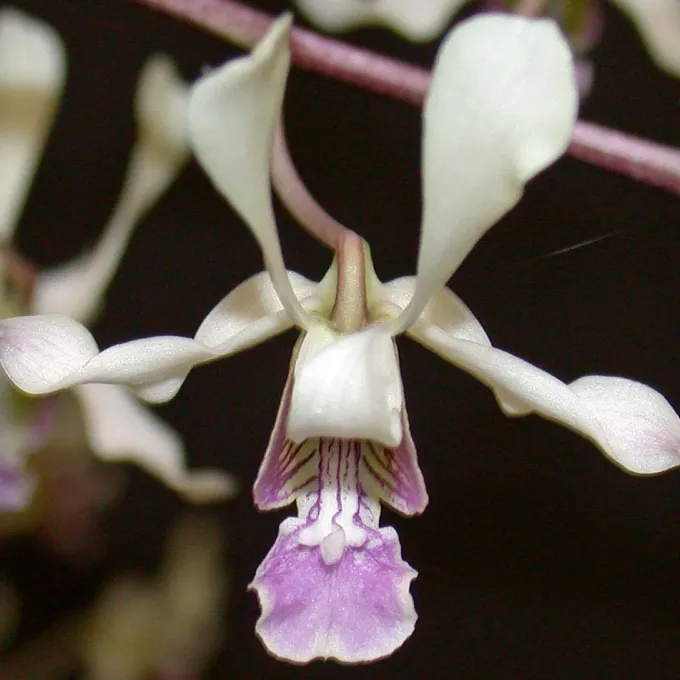
Description
Growing requirements
Dendrobium lineale is an epiphytic orchid species belonging to the Orchidaceae family. It is native to the tropical forests of New Guinea and nearby islands, where it grows in high-humidity, warm-climate environments.
To successfully cultivate this orchid, growers must maintain high humidity levels, ideally between 60 and 80 percent. The plant thrives in consistent temperatures ranging from 20 to 28 degrees Celsius throughout the growing season.
Light requirements for this species include bright, indirect sunlight. Exposure to direct afternoon sun can damage the foliage and pseudobulbs, leading to chlorosis or burnt tissue, so proper shading is highly recommended.
The potting medium must be porous and well-draining, consisting primarily of fir bark, charcoal, and sphagnum moss. This composition allows for excellent aeration, which is essential to prevent the suffocation of the orchid's specialized roots.
Regular watering is necessary during the growth phase, but the medium should be allowed to dry slightly between waterings. Fertilization with a balanced, weak orchid-specific fertilizer should be applied periodically to promote healthy growth and blooming.
Main diseases and pests
The primary pests affecting Dendrobium lineale include spider mites and scale insects, which often thrive in indoor conditions with low humidity. Regular manual inspection of the underside of leaves is recommended for early detection.
Fungal infections, such as black rot or root rot, are frequent issues caused by overwatering or poor air circulation in the growing area. Once symptoms appear, it is critical to trim the affected parts and apply fungicide treatments.
Thrips can also infest the flowers and buds, especially during the dry season. Managing these pests involves maintaining optimal humidity levels and using appropriate biological or chemical control methods when necessary.
Bacterial soft rot can occur if water remains trapped in the plant's crown or leaf axils for extended periods. Ensuring good airflow after watering and avoiding water accumulation is essential for preventing these types of infections.
Maintaining a clean cultivation environment and disinfecting all tools before use helps prevent the transmission of pathogens. Proper monitoring and cultural adjustments remain the best defense against major plant threats.