
Dendrobium limpidum
Dendrobium limpidum
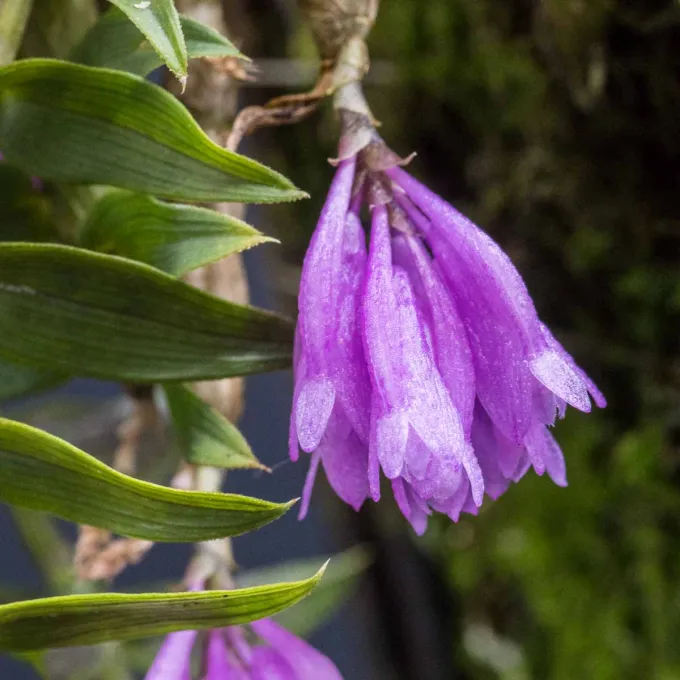
Description
Growing requirements
Dendrobium limpidum is a distinctive epiphytic orchid species belonging to the Orchidaceae family. Known for its delicate aesthetic, this plant thrives primarily on tree bark in its natural habitat, which dictates its specific agricultural needs for successful cultivation.
The native distribution area of this species encompasses tropical regions with high atmospheric humidity. In an artificial setting, maintaining relative humidity between 60% and 80% is essential for proper vegetative development and the stimulation of healthy pseudobulb growth.
Temperature management is critical for this species. It prefers a moderate-warm climate, requiring a consistent daytime temperature between 22 and 26 degrees Celsius, supplemented by a distinct night-time temperature drop to facilitate metabolic equilibrium.
The choice of substrate is a fundamental aspect of its maintenance. A well-draining, airy medium is necessary, typically composed of coniferous bark, charcoal, and sphagnum moss. This composition ensures that the root system receives adequate oxygen while retaining enough moisture.
Light intensity should be carefully regulated to mimic the filtered canopy light of a tropical forest. Bright, indirect light is optimal, as direct solar radiation can damage the plant's delicate tissues and cause dehydration during active growth cycles.
Main diseases and pests
Fungal and bacterial infections represent the primary phytosanitary threats to Dendrobium limpidum, often triggered by waterlogged conditions or poor air circulation. Root rot is particularly common when substrate drainage is insufficient for the plant's needs.
Common orchid pests, including spider mites and mealybugs, are frequent challenges. These insects typically inhabit the crevices of pseudobulbs or the underside of leaves, necessitating vigilant monitoring and proactive hygiene practices within the growing area.
Thrips can also infest this orchid, leading to discolored spots and stunted growth. The use of yellow sticky traps and specialized biological controls is recommended to maintain the population at levels that do not cause economic or ornamental damage.
Viral infections are a severe threat that cannot be cured. Preventing these pathogens requires the use of sterile tools when pruning and the immediate isolation of any specimen showing suspicious chlorotic patterns or mosaic-like symptoms on the foliage.
Effective pest and disease management strategy relies on creating an environment that minimizes stress. Providing consistent airflow, avoiding overhead watering, and using balanced nutrient applications will significantly enhance the plant's natural resistance to environmental stressors.