
Dendrobium indivisum
Dendrobium indivisum
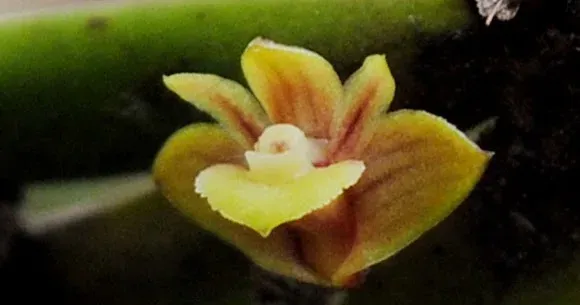
Description
Growing requirements
Dendrobium indivisum is a specialized epiphytic species belonging to the Orchidaceae family, natively distributed across the tropical regions of Southeast Asia. This species is highly valued in botanical collections for its unique morphological structure and aesthetic appeal.
Botanically, this plant is characterized by its slender stems and narrow leaves, which allow it to thrive in the canopy layers of rainforests. As an epiphyte, it relies on its velamen-covered roots to absorb nutrients and moisture directly from the humid atmosphere.
Successful cultivation requires a climate mimicking tropical rainforest conditions, specifically maintaining temperatures between 20°C and 28°C. High humidity, typically ranging from 70% to 85%, is essential for the continuous growth and health of the orchid's aerial system.
The substrate must be highly permeable, consisting primarily of fir bark or coconut husk chunks, to facilitate proper airflow around the root system. Proper drainage is crucial to prevent the accumulation of stagnant water, which can quickly lead to root degradation.
Light management is a critical aspect of plant care, as the species requires significant indirect sunlight to maintain its physiological functions. In indoor environments, placing the plant near an east or west-facing window is usually ideal to avoid the scorching effect of intense afternoon sun.
Main diseases and pests
The primary pests affecting Dendrobium indivisum include mealybugs and spider mites, which can proliferate rapidly in low-ventilation environments. Regular inspection and the application of horticultural oils or systemic insecticides are recommended to maintain plant vitality.
Pathogenic fungi, such as Fusarium or Pythium species, often attack the root zone if watering protocols are not followed correctly. Maintaining a clean growing environment and sterilizing tools before maintenance operations is essential for preventing the spread of these pathogens.