
Dendrobium hybrids
Dendrobium hybrids
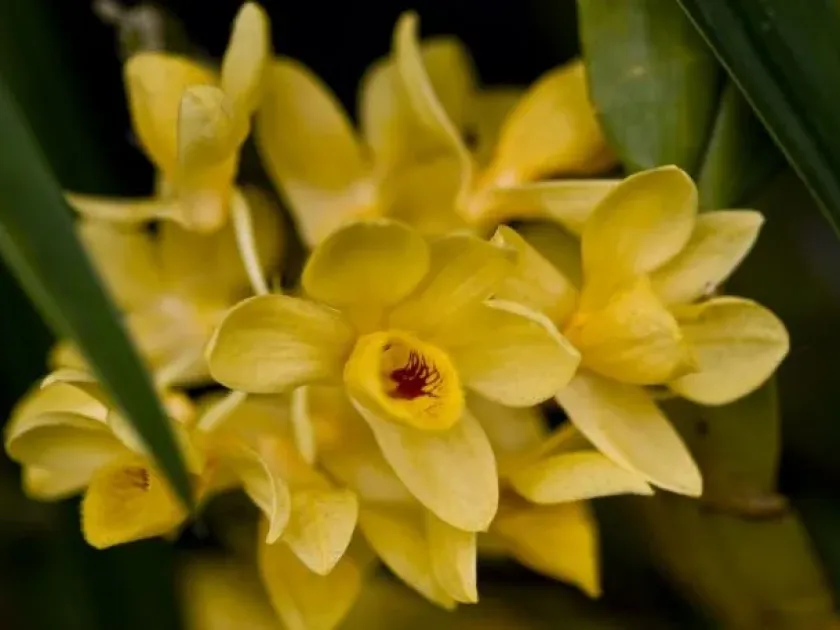
Description
Growing requirements
Dendrobium hybrids are advanced cultivars derived from the Dendrobium genus within the Orchidaceae family. These plants are native to diverse habitats ranging from tropical rainforests to mountainous regions of Southeast Asia, Australia, and the Pacific Islands.
Successful cultivation requires high light intensity, though direct sunlight should be filtered to avoid scorching the plant's succulent stems. In commercial settings, the use of shading cloths is essential to maintain optimal photosynthesis rates throughout the year.
Temperature management is critical; most hybrids thrive in temperatures between 20°C and 25°C. A clear distinction between day and night temperatures, with a differential of 5–10°C, is highly recommended to trigger healthy flowering cycles and vegetative growth.
The substrate must be highly porous and inorganic-based, typically composed of pine bark, perlite, and charcoal. This structure ensures sufficient airflow to the root system, as constant moisture saturation can quickly lead to root decay in epiphytic orchids.
During the growing season, plants should be provided with regular, diluted fertilization with a balanced NPK ratio. In winter, or when growth stalls, the plant enters a period of dormancy, requiring a significant reduction in watering and total cessation of nutrient application.
Main diseases and pests
Major pests affecting this crop include spider mites, mealybugs, and scale insects. These pests often congregate on the undersides of leaves or within the leaf axils. Integrated pest management (IPM) involving both biological controls and specific acaricides is recommended.
Common diseases include fungal and bacterial rots, such as Erwinia or Phytophthora, which thrive in high-humidity and low-ventilation environments. Maintaining good air circulation and keeping the crown of the plant dry is the primary defense strategy against these pathogens.